Om
ॐ · oṃ · ohm
Om is a sacred syllable symbolizing the sound of the universe, connecting practitioners to consciousness and tradition.
Meaning
primordial sound
Om is a sacred syllable symbolizing the sound of the universe, connecting practitioners to consciousness and tradition.
Om, or ॐ, is a sacred syllable with deep roots in Hindu philosophy and spirituality. Its etymology traces back to the Sanskrit language, where it signifies the primordial sound from which the universe is believed to have originated. This sound encompasses all existence, symbolizing the past, present, and future, merging them into a singular vibration. In yoga, Om is often chanted at the beginning or end of a practice session, serving as a reminder of the connection between mind, body, and spirit. The significance of Om in yoga practice goes beyond mere sound; it acts as a powerful tool for centering the mind and grounding practitioners in their practice. When chanted, the vibration of Om resonates within the body, promoting a sense of peace and unity. This resonance helps practitioners to cultivate mindfulness, allowing them to connect with their inner selves and the larger universe around them. In many traditions, chanting Om is considered a form of meditation, facilitating a deeper state of awareness and presence. Culturally, Om is revered not only in yoga but also in various spiritual practices across the Indian subcontinent. It is often associated with the divine, representing the essence of ultimate reality or Brahman. Many believe that by chanting Om, one aligns themselves with the cosmic energy that flows through all beings. The act of chanting is seen as both a personal and communal experience, fostering a sense of belonging and shared consciousness among practitioners. In summary, Om is much more than a sound; it is a profound expression of the universe and a cornerstone of yoga practice. Its rhythmic vibration serves to connect practitioners to the ancient traditions of yoga, inviting them to explore the depths of their own consciousness while fostering unity with the world around them.
In practice
- Chanting Om three times at the beginning of class helps set a calm and focused atmosphere.
- During meditation, practitioners might repeat Om to deepen their connection to the present moment.
- In advanced yoga sessions, instructors may integrate Om chanting to enhance the spiritual experience.
- Beginners are encouraged to chant Om aloud to familiarize themselves with its resonating sound.
- Om can be used during breathwork, allowing the sound to guide the rhythm of inhalation and exhalation.
- Many yoga retreats start and end each session with the chant of Om, fostering a sense of community.
- Teachers often explain the significance of Om to students, emphasizing its role in yoga heritage.
What next
Watch on yoga.org
 Chandra Namaskar (Moon Salutation) depicts the Moon (Ida Nadi) or the feminine side of the energyHarika yoga · 0:34
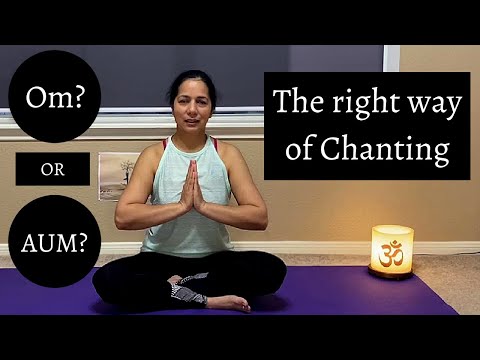 How to Chant Om/Aum Mantra ChantingNamaste Yoga · 9:26
 Yoga- Parivrtta Ardha Chandrasana-Revolved Half Moon Pose (Twist)Aztec Recreation · 1:15
 15 Minute Pitta Cooling Yoga SequenceDragonfly Ayurveda and Yoga · 15:55
 Winter Solstice Celebration 2024 Yoga, Gayatri and hand pan.Sianna Sherman · 29:28
 How to Do the Warrior I PoseHowcast · 2:29
 Travis Eliot, Downward Dog + Vinyasa I UDAYA.comUDAYA Yoga & Fitness · 3:37
 Simple tip to improve yoga pose alignmentCharlie Follows · 0:21