Purusha
Purusha refers to the eternal spirit or consciousness, the true self beyond the physical and mental realms in yoga philosophy.
Meaning
Purusha refers to the eternal spirit or consciousness, the true self beyond the physical and mental realms in yoga philosophy.
The term 'Purusha' originates from ancient Indian philosophy, particularly in the context of the Samkhya school of thought. In Sanskrit, 'Purusha' translates to 'spirit' or 'consciousness', reflecting the essence of the self that is eternal and unchanging. It stands in contrast to 'Prakriti', which represents the material world or nature. Together, Purusha and Prakriti form the dualistic framework that underpins much of yogic philosophy, helping practitioners understand the relationship between the self and the external world. In yoga practice, Purusha is significant as it signifies the true nature of our being beyond the physical body and mind. It emphasizes the importance of self-awareness and introspection, encouraging practitioners to look beyond their thoughts and emotions to discover their deeper essence. This understanding is crucial for achieving liberation (moksha) from the cycles of birth and rebirth (samsara). Practically, the concept of Purusha can be experienced during meditation and mindfulness practices. These techniques facilitate a connection with this inner consciousness, allowing individuals to transcend their daily distractions and realize their true self. As practitioners cultivate a deeper awareness of Purusha, they often find a sense of peace and fulfillment, recognizing their interconnectedness with all beings. Furthermore, the recognition of Purusha encourages the practice of values such as compassion and non-attachment. By understanding that the essence of all beings is the same, practitioners are inspired to cultivate ahimsa (non-violence) and develop a sense of unity with others. This principle is integral to the spiritual journey in yoga, guiding individuals toward a more mindful and harmonious existence both on and off the mat.
In practice
- In meditation, practitioners connect with Purusha to transcend their thoughts and emotions.
- Yoga classes often emphasize aligning with Purusha to foster self-awareness and presence.
- Understanding Purusha helps students realize their interconnectedness with all beings.
- During breathwork, focusing on Purusha can enhance the experience of inner peace.
- Advanced yogis explore the concept of Purusha to deepen their spiritual practice and understanding.
What next
Watch on yoga.org
 Purusha Yoga for Back PainPurusha Yoga · 5:09
 Detailed Patanjali Yoga Sutras with Pictures - Chapter 1 - States of MeditativenessThe Sanskrit Channel · 3:02:03
 Patanjali Yoga Sutra 2.20 - What Is Purusha? | Yoga Teacher Training | Anvita DixitYogic Gurukul
 The 3 Gunas | Yoga Philosophy ExplainedShivatman Yoga · 8:47
 Patanjali Yoga Sutra 3.35 - Knowledge Of Purusha | Yoga Teacher Training | Anvita DixitYogic Gurukul
 Butterfly Pose for Prostate Problems | Best Yoga to Improve Prostate Health #prostateglandYOGA WITH AMIT · 0:08
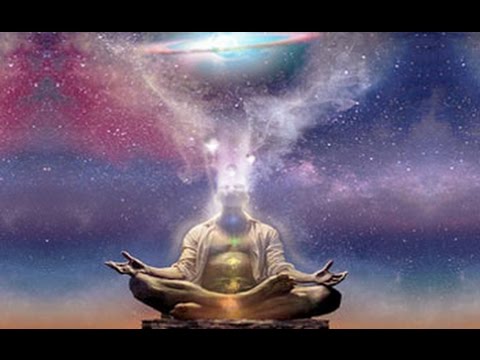 Purusha and Prakriti - Yoga Sutras 1.3 - 1.69th limb yoga · 9:19
 Patanjali Yoga Sutra 2.22 - Universality of Creation | Yoga Teacher Training | Anvita DixitYogic Gurukul