Shraddha
Shraddha means 'faith' or 'trust' in yoga, embodying commitment to practice and spiritual growth.
Meaning
Shraddha means 'faith' or 'trust' in yoga, embodying commitment to practice and spiritual growth.
Shraddha is a Sanskrit term that translates to 'faith' or 'trust.' It has its roots in ancient Hindu philosophy and is often associated with devotion and the sincere belief in the teachings and practices of yoga. In the context of yoga, shraddha signifies a deep commitment to one's practice, embodying the trust that the journey of yoga will lead to personal growth and spiritual enlightenment. In yoga philosophy, shraddha is considered essential for progress on the path. It encourages practitioners to cultivate a mindset of openness, curiosity, and perseverance. This faith not only applies to the practice of asanas (postures) but also extends to pranayama (breathing techniques), meditation, and the ethical principles outlined in the Yoga Sutras. By fostering shraddha, students can navigate the challenges of their practice with grace and resilience, believing that their efforts will yield positive transformations. Moreover, shraddha connects practitioners to a larger community of yogis and the rich traditions of yoga. It serves as a bridge between the individual and the collective, promoting a sense of belonging and shared purpose. In essence, shraddha is not just personal faith but also a communal commitment to the values and teachings of yoga, inspiring individuals to support one another on their journeys. Incorporating shraddha into yoga practice may involve setting intentions, honoring the lineage of yoga, and engaging with the teachings of respected teachers. As practitioners deepen their understanding of shraddha, they may find that it enhances their overall experience, making it more meaningful and impactful, both on and off the mat.
In practice
- In yoga classes, teachers often encourage students to practice with shraddha, trusting in their abilities to grow.
- A beginner may feel hesitant about a challenging pose, but with shraddha, they learn to embrace the process of improvement.
- During meditation, practitioners can cultivate shraddha by focusing on their breath and trusting the experience will deepen their awareness.
- Advanced yogis may reflect on shraddha as they explore more complex poses, believing in their strength and dedication.
- In group classes, sharing experiences related to shraddha can create a supportive environment for all levels of practitioners.
- Incorporating shraddha into daily life means trusting the journey of yoga extends beyond the mat into personal relationships.
- Cultivating shraddha allows practitioners to approach their yoga journey with an open heart, ready to learn and evolve.
What next
Watch on yoga.org
 Yoga FAQ | 103 | What is Sraddha? What is its role in Yoga practice?Dr. Kausthub Desikachar
 HELD : Shraddha Yoga Therapy Video Immersion Series with Tina NanceTina Nance · 2:17
 How to Stay Focused during the Meditation | Buddhism In EnglishBuddhism · 7:27
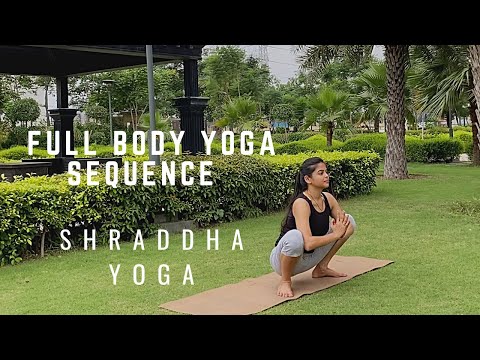 FULL BODY YOGA SEQUENCE | FLEXIBILITY & STRENGTH | SHRADDHA YOGAShraddha Deepak · 24:59
 Yoga with Shraddha✨🧘🏻♀️ #yoga #youtubeshorts #shorts #yogapracticeShra ki Udaan · 0:08
 Beginner Yoga for Flexibility & Balance #yoga #youtubeshorts #bellyfat #shortsYoga Journey · 0:05