Chapters (4)
What is Crohn's Disease?
In this practice
Key teachings
- Mindful approach to physical well-being
- Importance of gentle movement and breath for comfort
- Stress reduction techniques to support overall health
Ideal for
- Individuals seeking gentle movement
- Those looking for stress management tools
- People interested in mind-body connection for general well-being
Lesson
Instructions
This animation describes the cause, symptoms, and factors in the development of Crohn's disease, a type of inflammatory bowel ...
Steps
- Gentle Hatha-inspired stretches
- Diaphragmatic breathing (belly breathing)
- Body scan meditation for awareness
Benefits
- Promotes relaxation and stress reduction
- Encourages gentle movement and flexibility
- Enhances body awareness and self-compassion
Transcript
what is Crohn's disease Crohn's disease is a chronic condition characterized by inflammation in the intestinal or GI tract which is also known as the digestive tract since Crohn's disease is a chronic illness it is persistent and will be present throughout a patient's life however patients and physicians can work together to manage the symptoms of this disease the GI tract includes the mouth esophagus stomach small intestine large intestine and anal region Crohn's disease can affect any part of the GI tract but the most common location is the last part of the small intestine which is called the ileum and the first portion of the colon which is also referred to as the large intestine current thinking is that Crohn's disease is a genetic disease caused by abnormal regulation of the immune system the GI tract is frequently confronted with bacteria from our diet and environment many factors can contribute to a person's risk of having Crohn's disease but most can be thought of in three categories genetic predisposition environmental factors and a dysregulated immune response in the GI tract which causes inflammation environmental factors that may contribute to Crohn's disease include infections smoking and taking antibiotics or anti-inflammatory drugs known as non-steroidal anti-inflammatory drugs or NSAIDs one way that the body can protect against potential bacterial threats is with inflammation we are familiar with how inflammation looks on the outside of the body for example when you have a scrape or a cut that scraper cut becomes red and inflamed as a result of the immune system trying to get rid of any bacteria and viruses that are in the wound after a few days when the immune system has finished its job it turns off so the redness and inflammation disappear in Crohn's disease inflammation ulcers appear within the GI tract and the immune system works to combat the bacteria and viruses in the same way as with a cut on the surface of the skin however the difference is that the immune system is not able to turn itself off after it has gotten rid of the bacteria or virus so the ulcers remain until they are treated with medicine or surgery this chronic inflammation is what causes the symptoms of Crohn's disease the symptoms of Crohn's disease vary depending on where the disease is located and its severity this means that every patient with Crohn's disease experiences the disease differently most patients with Crohn's disease have abdominal pain and diarrhea other symptoms related to the GI tract can include abdominal tenderness loss of appetite weight loss fever fatigue rectal bleeding anal skin tags and ulcers in children Crohn's disease may result in stunted growth and a failure to thrive even if GI symptoms are not present in addition to symptoms involving the GI tract Crohn's disease can affect other parts of the body symptoms outside of the GI tract can include joint pain liver inflammation osteoporosis skin problems eye problems mouth ulcers and anemia patients with Crohn's disease should expect to lead normal lives in consultation with their healthcare providers the goal of the healthcare provider is to help people manage Crohn's disease rather than having the disease manage them
Practice summary
- Level
- all levels
- Duration
- 20 minutes
- Equipment
- Target areas
- Energy
- calming
More practice
 "What is Sankhya Yoga? The Mystery of Soul and Body | Lessons from the Bhagavad Gita | Podcast #2"Life changing vichar100 · 4:47
 Brahmacharya: What IS it really ?Fasinate Yoga
 Day 44: What is DinacharyaWild Yoga Tribe
 Deafhood Yoga®; What is the difference between RYT 200 - E RYT 500?Deafhood Yoga® · 4:35
 Definition of Satya: What is truth and how can it be understood from a yogic angle?Yoga Gita, Yoga as it is
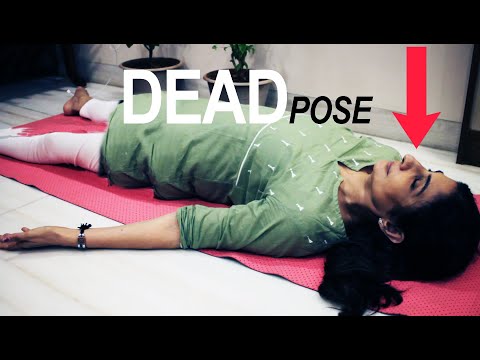 Do Shavasana with me . Simple Yoga technique for relaxation & Meditation.What is Yogic Sleep.Stressfree Yoga
 HOW TO CUE YOGA POSES: What Goes WhereShapeshift Wellness
 Hatha, Vinyasa & Flow Yoga - What's the Difference? | Emily Rowell YogaEmily Rowell Yoga · 7:20