Sacred Wisdom in the Yoga Sutras of Patanjali. The 8 Limbs of Ashtanga Yoga
Practice summary
- Video length
- 15:46
Patanjali is considered one of the most significant figures in the development of classical yoga philosophy. He is best known for the compilation of the "Yoga Sutras," a collection of aphorisms that provide a systematic and philosophical framework for the practice of yoga. The Yoga Sutras are a concise and systematic exposition of the philosophy of yoga, showcasing a deep understanding of the human psyche and the spiritual journey. The Yoga Sutras outline the 8 limbs of yoga (Ashtanga Yoga), which includes ethical principles (Yamas and Niyamas), physical postures (Asanas), breath control (Pranayama), withdrawal of the senses (Pratyahara), concentration (Dharana), meditation (Dhyana), and ultimate absorption or union (Samadhi). This holistic framework provides a guide for individuals seeking balance, harmony, and self-realization in their lives.
Thank you for visiting our channel. I appreciate connecting with each of you on this journey of life. Thank you! It's essential to recognize that this channel is your traveling companion, not a teacher. Therefore, don't forget to seek wisdom from ancient texts, great spiritual mentors, and, most importantly, within yourself!
Harmony and love to You!
More practice
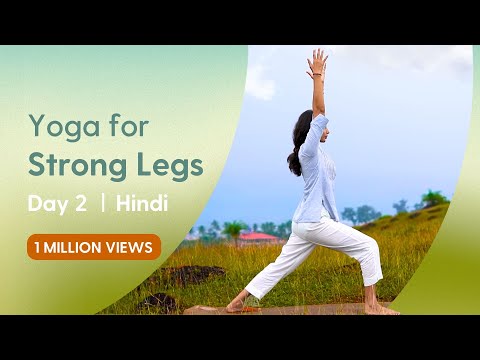 15 Min Yoga for Happy, Healthy Legs · Day 2 of Beginner CampSatvic Yoga · 17:52
 30 Minute Trauma and Ptsd Informed Yoga PracticeBreathe and Flow · 34:30
 Ashtanga Yoga - 8 Limbs of Yoga · Yoga Teacher Training · Anvita DixitYogic Gurukul · 10:26
 Bandhas And Granthis · Untying the 3 Granthis (Knots) in the Path of the Kundalini EnergyAnandabodh Yoga Official · 7:10
 Beyond the Asana: The 8 Limbs of Yoga Explained in 5 MinAlign with Dominique · 5:30