Giving & service · Dāna
Yoga.org · Guided learning
Dāna: the practice of generosity
Contextual, sourced learning with distinctions among Hindu, Buddhist and Jain traditions.
.jpg)
Origins & contexts
Not all communities interpret or practice dāna alike.
Daily practice
Offer without coercion or obligation.
Go further
Read linked texts and practitioners.
What dāna names
Dāna is a Sanskrit word for giving — often a gift of food, shelter, teaching, protection, or time. In many Indian settings it is an ethical practice, not a marketing slogan. The word appears in Hindu dharma literature, in Buddhist training on generosity, and in Jain vows around non-attachment and care for life. Those streams share a family of concerns (intention, the dignity of the receiver, the risk of pride) and they do not share one rulebook.
Hindu, Buddhist, Jain — keep the distinctions
Hindu settings. Dāna is discussed among household duties, temple offerings, and gifts to teachers or those in need. Motive matters: a gift given to display wealth is treated differently from a gift given quietly. This page does not prescribe a percentage or a schedule.
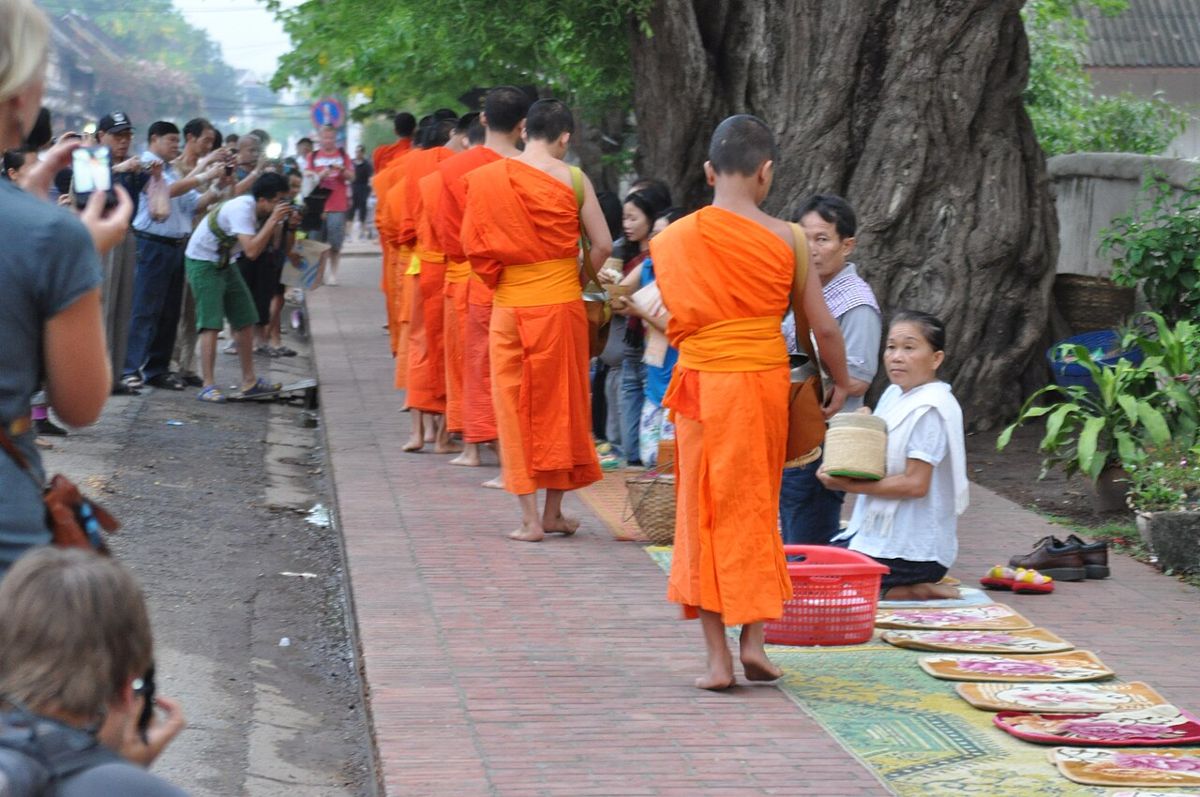
Buddhist settings. Generosity (Pāli: dāna) is often named as a foundation of the path — supporting monastics and one another so practice can continue. Tricycle’s glossary describes dāna as the practice of cultivating generosity. That is a Buddhist teaching voice, not a universal Indian one. Read it as such: tricycle.org/glossary/dana.
Jain settings. Giving is bound up with ahimsa and with care not to create new harm through the gift itself (for example, food that causes injury). Do not collapse Jain practice into a yoga-studio donation jar.
Intention and the receiver’s dignity
A gift that humiliates the person receiving it is not generosity in these teachings. Ask whether help is welcome. Do not publish someone’s need as your virtue story. Do not make a spiritual test out of other people’s poverty.
Daily practice can be small: share a meal, credit a teacher, leave something useful where it will be found, or support a library of free learning. None of that requires you to ignore rent, safety, or fair pay.
Indian paths on GiftingEconomy.org Optional: iGift.com
Yoga.org is the fiscal sponsor of both GiftingEconomy.org and iGift.com. GiftingEconomy.org is an education center. iGift.com is a participation platform. Fiscal sponsorship is not ownership or operating control.
Sources
Links were checked for a successful response before this preview. Verse wording on these pages is paraphrase with verse numbers; read the linked editions for full translations.