Giving & service · Guru dakṣiṇā
Yoga.org · Guided learning
Guru dakṣiṇā: gratitude, teachers, and boundaries
Traditional offering to teachers, the line between a voluntary gift and agreed tuition, and respect for livelihoods. Expert review is still required before this page is public.
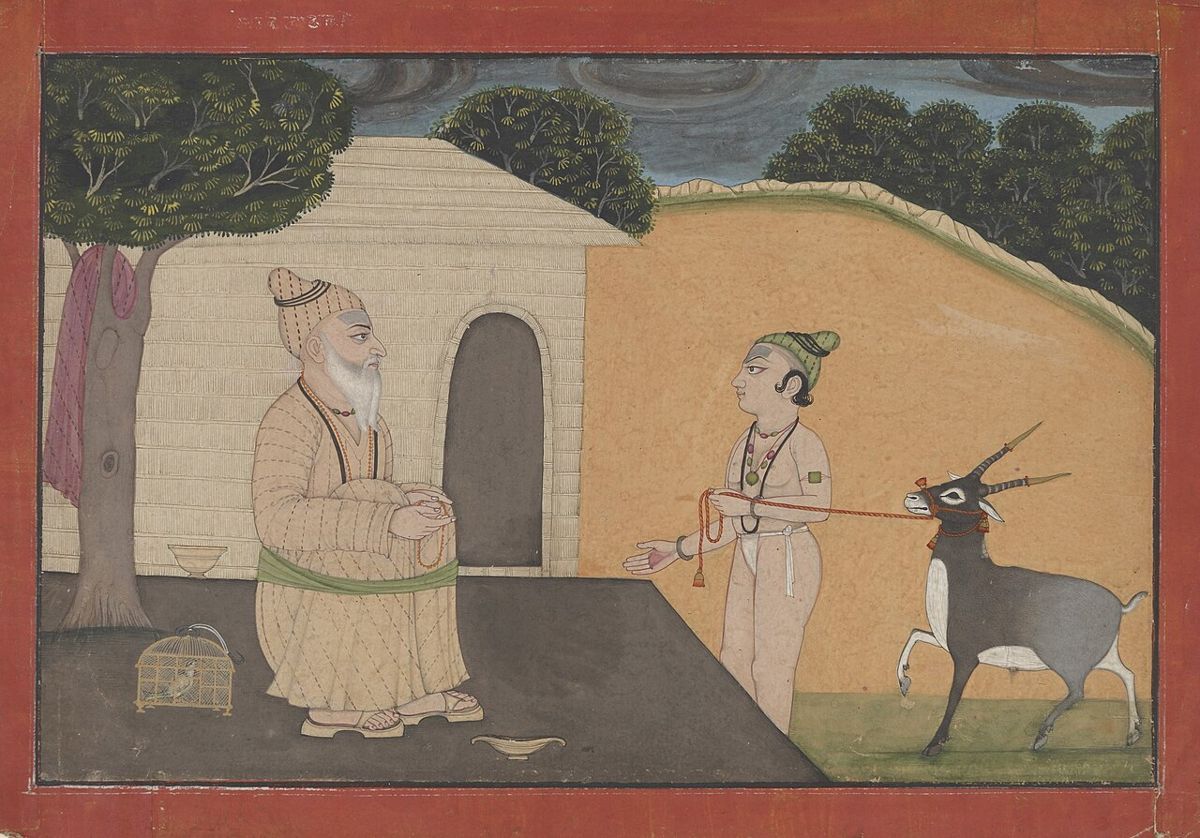

Two different things
Guru dakṣiṇā in classical accounts is an offering given to a teacher — sometimes at the end of study — as gratitude. It is not automatically the same as a studio’s posted class fee, a teacher-training invoice, or a platform processing fee.
Agreed tuition is a contract: both people know the price. Calling a bill “dakṣiṇā” does not make it a gift. Calling a gift “tuition” does not make it a bill.
Power and boundaries
A student may feel unable to refuse a request for money, labor, or intimacy. That pressure is not generosity. Teachers deserve a living. Students deserve clarity. This page does not tell teachers to work for free, and it does not tell students that devotion requires gifts they cannot afford.
iGift and payments
iGift.com is a place to offer time, skill, or things without a required return. It is not Yoga.org’s checkout and it is not a substitute for a teacher’s agreed fee. Optional participation: https://igift.com/.
Yoga.org is the fiscal sponsor of both GiftingEconomy.org and iGift.com. GiftingEconomy.org is an education center. iGift.com is a participation platform. Fiscal sponsorship is not ownership or operating control.
Sources
Links were checked for a successful response before this preview. Verse wording on these pages is paraphrase with verse numbers; read the linked editions for full translations.