Giving & service · Sevā
Yoga.org · Guided learning
Sevā: care offered in action
Explore service and its different meanings in Hindu and Sikh communities.

Intention
Service need not be a claim to moral superiority.
Practical care
Make help welcome and dignified.
Distinct traditions
Use separate Sikh sources for langar and seva.
Sevā as care in action
Sevā (also spelled sewa) names service offered without an invoice — cooking, cleaning, teaching, carrying, sitting with someone. In many Hindu settings it is woven into temple life and household dharma. It is not a license for institutions to extract unpaid labor, and it is not a scoreboard of virtue.
Skill still matters. If the work requires training (medical, legal, structural), sevā does not replace a professional. Offer what you can actually do, and stop when the person receiving help says stop.
Hindu usage and Sikh usage
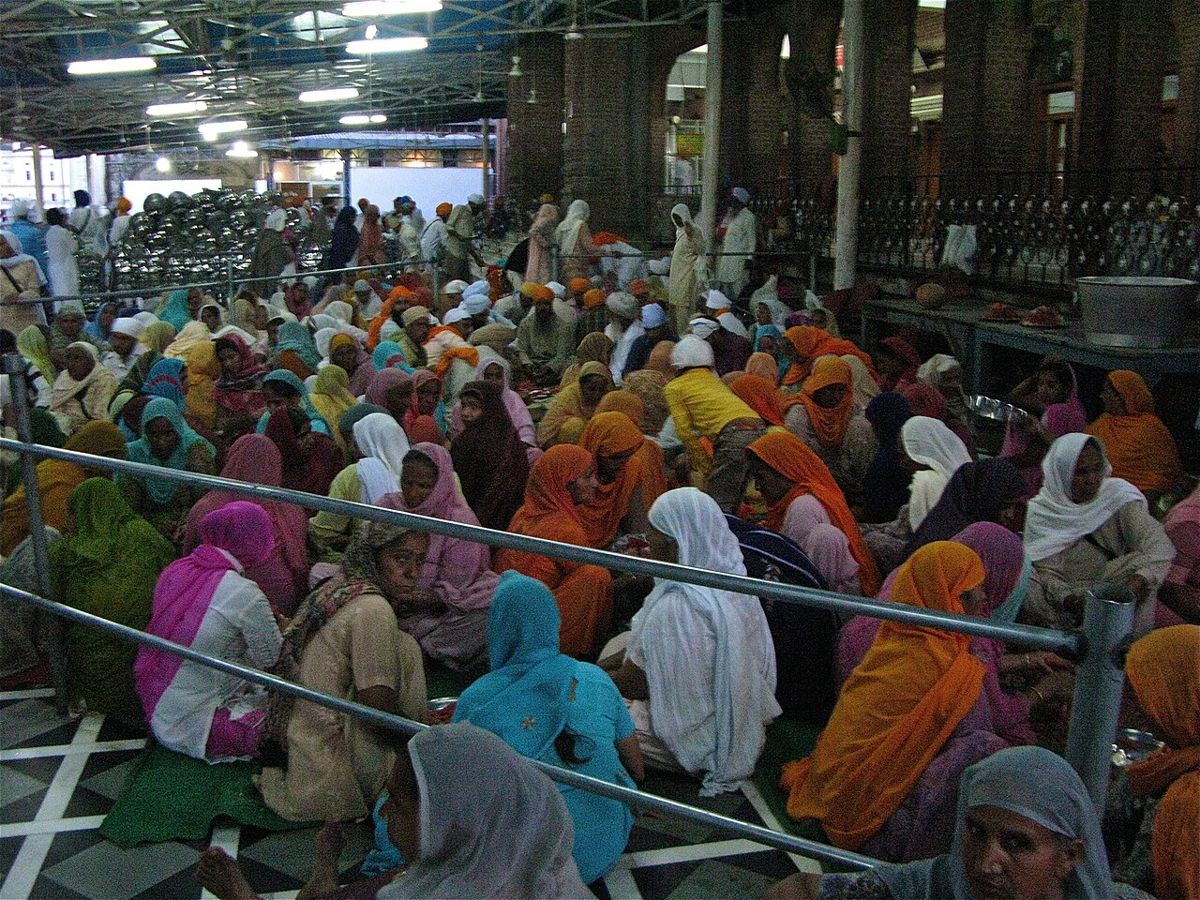
Hindu and Sikh communities both use related words for selfless service. They are not the same tradition. Sikh seva includes langar — a free communal kitchen grounded in equality — which is a Sikh institution. Yoga.org does not rebrand langar as a yoga project. See the short pointer awaiting Sikh-led review, and a Sikh writer’s account of sewa in The Guardian.
Boundaries
- Ask consent before helping, photographing, or telling the story.
- Do not treat “it’s sevā” as a reason to skip rest, wages, or safety.
- Teachers and studios may still charge for classes; a gift class is a choice, not a rule. See the held draft on donation-based classes (not linked from this hub until policy review).
Yoga.org is the fiscal sponsor of both GiftingEconomy.org and iGift.com. GiftingEconomy.org is an education center. iGift.com is a participation platform. Fiscal sponsorship is not ownership or operating control.
Sources
Links were checked for a successful response before this preview. Verse wording on these pages is paraphrase with verse numbers; read the linked editions for full translations.