What is Pranayama? Different Types of Pranayama & Its Health Benefits
Practice summary
- Video length
- 13:22
What is Pranayama and its various Types ?
The power that provides strength to the mind and body, and keeps us alive is Prana. So our 'life' refers to our life force and regularization with 'dimension'. Therefore Pranayama means regularizing one's own life force. Thus, Pranayama secures a special place in the eight limbs of Yoga. Pranayam is obtained from two words Pran and Dimension. Moreover, Pranayama simply implies the prolonging of Prana. It is the amplitude or expansion of the breath done as a major part of Ashtanga Yoga Practices. There are various types of Pranayama Practices.
🧘 Vinyasa Flow for beginners
🧘 Benefits of Chaturanga Dandasana
🧘 Marichyasana C
🧘 Camel Pose or Ustrasana
🧘 Yoga asanas to Boost Up Our Immunity
🧘 Merudanda Vakrasana
🧘 Anulom Vilom Pranayama
🧘 How to Do Kapalbhati Pranayama
🧘 Ardha Baddha Padma Paschimottanasa
🧘 Virabhadrasana B
🧘 Virabhadrasana A
🧘 How to do Padmasana (Lotus Pose)
🧘 Urdva Mukha Svanasana
🧘 Kapalbhati Pranayama
🧘 Nadi Shodhana Pranayama
🧘 What is Pranayama? Different Types of Pranayama & Its Benefits
🧘 Yoga for breathing
🧘 Bhramari Pranayama (Bee Breath)
🧘 Ujjai Pranayama
🧘 Chandrabhedan Pranayama
🧘 Downward Dog Pose
🧘 Paschimottanasana
🧘 Camel Pose
🧘Crow Pose
🧘 Warrior Pose 2
🧘 Yoga for diabetes
🧘 Traditional Surya Namaskar
🧘 Online Yoga TTC
Email ID: vinyasayogaashram@gmail.com .
Transcript
[Laughter] namaste my name is pradeep from vinyasa yoga ashram i'm one of the yoga instructors there and in this video we are going to talk about pranayama as you know that when it comes to talking about yoga pranam is something which is vital to be to be speaking about and philosophically talking that pranayama is basically it's made up of two words as you know prana and ayama where the word prana means the vital force that helps anything exist on the planet like even me talking to you it takes something it's the aliveness and the livelihood within me which makes me exist and be live in front of you and be alive in front of you that is just because of prana even talking in hindi basically when somebody dies we say the purana left the body means he no more has a life and he no more exists but talking about and on the other hand the word ayama means to have control and extension of it now talking philosophically you know you can go through several books on internet or so many yoga texts are there which talks about pranayama philosophically but for a person to understand pranama in a practical way i would rather explain it in a practical way and give you the practical example of it so basically pranama at the physical level it is the practice with your breath right so let's say if you have heard of any type of pranayama let's say there is a type of pranayama we call it uh let's say kapalabhati or let's say bhastrika pranayama these types of pranayama are nothing but a type of or a sort of manipulation of the breath right so let's say right now i'm breathing but we generally do not call a simple breathing asparamus since there is no awareness to the breath and there is no manipulation to the breath sometimes we have also heard that there are different types of pranayama like sometimes we say there is swana pranayama means breathing like dogs sometimes we say there's hissing pranayama which is which is where we breathe making the hissing sound we can also say that it is snake pranayama so in this way basically when it comes to talk about pranayama it is just a different way to breathe because it makes you really be aware and conscious towards your breathing so pranama at a practical level is to bring your awareness and make you conscious of your breathing so in my experience before you learn to manipulate your breath in different ways and try to have benefits out of it what i would recommend is just try to work with your breath the way it is flowing itself means try to naturally understand your breath and notice it be aware of it and try to raise your awareness towards the breath as much as you can because breath tells a lot about you you know the state of the body the state of the mind could completely be told about the bread the way you are breathing for an example you might have observed this that when you are going to sleep you breathe your breathing will not be so much you know struggling it may be calmer right and many people who cannot have their breath calm while they are going to sleep they may also find difficulty to sleep on the other hand if you perform any vigorous intense exercise the breathing can tell you that you know you are tired you are you know you need more energy more oxygen to inhale so that your body can gain more energy to continue the practice or the exercise you are doing so what i want you to understand is pranama at the practical level is basically the manipulation of the breath and before you start manipulating your breath in different ways by performing brahmary or any sort of pranama i would recommend just first learn to be aware of your own breath right so the best way to start your journey with pranayama would be you start observing your breath you may observe that how deep you breathe you may observe your breathing in different times and situation during the day for an example when you wake up how your breathing is you may also notice it while you're exercising you may also notice it while you're eating food there are some types of food which can also change your breathing which tells you that the food is of what type for an example into yoga we have in ayurveda it talks about three different types of diet so if you talk about one of the diet which is like let's say sativic food eating satwik food or eating in a satwik way means the bread is not going to be much manipulated that can tell that the quality of the food on the other hand if you feed some if you eat some food or drink something which is stimulating for an example uh drinking coffee it could be a good example of eating sugarful chocolate if you notice your breath after eating that maybe after a moment you'll notice that your heartbeat and your breath little bit raised and they start being shallow because these are stimulating food and even you know eating food can affect your breath exercise could affect your breath any situation through your life which may be mentally or which may be physically that could very much affect your breath this is why the best way to start your pranayama journey is to noticing your breath that how it feels during the day and after that you should you must make time to practice your breathing and the best way to start practicing with your breath is what i would recommend is you take your some time let's say the best way to practice pranam or anything which is mental is especially do it empty stomach so the best time to practice pranama would be practice it in morning practice in afternoon and evening now how you practice pranayama being a beginner is you just sit in a comfortable position that can be any position if you're unable to sit on the floor you sit on the chair you sit on the bed in the beginning if the person is such that he can't even sit for a long time maybe he can lie down and practice certain type of breathing so you just find a comfortable position for yourself and then you just notice your breath right because eventually you have to learn to manipulate your breath and before you manipulate your breath i would recommend you to become aware towards your natural breathing and the natural breathing for you would be the way you breathe in general right of course natural breathing is not the breathing sometimes which we breathe because we may have been so much unaware of the breath that we haven't even forgot we have even forgotten to breathe naturally so let's first talk that how you can start your pranama journey so as i said you sit in a comfortable position then you just make sure your body is very comfortable and you no more are being distracted by your body so make sure you have in a comfortable position then you close your eyes and you just observe you start observing your breath now you can observe the depth of the breath you can notice that how it feels at the nose the best way is also to incorporate your senses to become aware towards that for an example try to smell the air while you are inhaling it and just letting the letting it exhale this could be one way to become aware towards your breath other way could be you try to feel the touch of the air going through your nose and all the way down try to feel it to the deep down towards the lungs which may not be so easy in the beginning but as you keep on practicing you'll find that you can feel the breath deep down towards your legs even you can also become so much aware that you can feel the breath moving throughout the body which is just a just a type of consciousness which travels throughout the body so you can simply start like this being away for breath in different ways once you have noticed your breath that what kind of breather you are as well further you can also try to observe that where do you breathe more are you a chest breather are you an abdominal breather or what is the depth of your inhalation and exhalation do you inhale more or do you exhale longer or when you try to breathe slow do you feel suffocated or when you try to breathe too fast do you feel that your body becomes too you know too heated up or what kind of physiological changes it brings to your body so what i recommend to you that's how you start your practice pranayama once you have observed your breath using these techniques after that you can manipulate your breath in different ways one simple way of manipulation manipulating the breath to bring you bring your mind into a calm state would be breathing slowly so let's say i breathe in normal let's say i breathe four seconds inhalation or four seconds exhalation let's say this is my general breathing right in order to make myself calmer i can try to breathe in for five seconds and breathe out for five seconds so or maybe longer if i'm comfortable but make sure you don't try to breathe so slow that you're trying to breathe for 10 seconds and exhaling for 10 seconds in your first time and you only end up doing it for two to three breath you make sure that at least you spend five to ten minutes doing the same breathing and you'll notice that if you are breathing little slower and calmer than you regularly do it'll after five to ten minutes you'll have immense calming effect on your nervous system which will eventually calm your mind down and you'll have a better power of concentration and focus so this could be one way to manipulate your breath now other ways of manipulating your breath could be performing yogic breathing now what is yoga breathing yoga breathing would be becoming to becoming aware towards your breath and trying to manipulate your breath and trying to feel your breath in different parts of the body so basically yogic breathing is about raising your awareness toward the breath and trying to make the make the most out of your lungs to breathe so many people will explain yogic breathing is breathing into belly into the chest into the you know into the shoulders so basically it's you never breathe in these areas but basically you are trying to breathe in your whole lung so yogic breathing is one type of manipulation to the breath which helps you which helps you become more aware towards your breath as well as it allows you to make the most of your you know organs which are there to breathe so that they can work to their max and they can become stronger and better in their function which will help you with your breathing and any other function into the body now further how you can manipulate your breath as as i as i said that pranama is just a type of manipulation now when we talk about types of pranayama now if i talk about the types of pranayama from hatha yoga text it talks about only eight types it says ujjayi so there is a shloka for that it says according to some text kumbaka is set for pranayama kumbhaka basically mean retention so because eventually pranayama means to have such a good control that you can try to minimize the minimize the effort to breathe as well as minimize the amount of breath you are taking maybe per minute or maybe per hour so that tells that you are a good prana practitioner good pranayama practitioner means you are trying to breathe the least and still being comfortable right that could be a good sign of good practitioner now once you have you know observed your breath in different ways you have manipulated in different ways now according to yoga as i just said this type of pranayama first is surya bhedi surya bhedi is one type of pranayama this is one type of manipulation to the breath so let me give you a quick example i'll be explaining about these types of pranayama in future videos but in this video just giving you a you know general introduction so let's say i said surya bhedi pranayama surya beri is about right nostril inhalation and right nostril exhalation you can also do it right nostril nation or left nostril exhalation so this is one type of manipulation to the breath then there is ujjayi breathing oj is this you breathe in the same way but you are constricting your throat you are still being natural with the breathing you may breathe into your abdomen or your chest and you may manipulate this breathing in the way you want to but basically breathing is construction of the throat which helps you make the effort from those internal muscles of the breathing which are not much during other breathing or natural breathing types further ujjayi after that there is sheath sheath curly curry and sheetly is the type of pranayama which are done with the breathing again but you breathe through your mouth this is another manipulation to the breath you inhale through your mouth as you know that our mouth does not have the function to warm the air up this is why this type of breathing any breathing that you do with your mouth would be cooling and calming breathing for you especially cooling further bhastrika pranayama bhastrika is the breathing which is fast deep inhale and deep exhale and that really makes you you know makes your body feel rejuvenated because of a lot of amount of oxygen you inhale at the same time you release a lot of carbon dioxide which is why many people could also pass out because such condition does not let the blood circulate towards the brain sufficiently which makes you deprive of the oxygen and then you may pass out many people may feel light-headed after doing this pranayama similarly there are other types of pranayama which i will talk further in detail but here basically what i wanted you understand is pranama at practical level is nothing but just a manipulation to the breath of course when you go to the further when you take further experience pranama may work on the energy level of the body which may be a different experience but for a beginner to understand this is the way that i wanted you to be knowing about thank you very much for listening to this and i hope i hope to see you in the next lesson where we shall be talking about different types of pranayama and their benefits thank you [Music] you
More practice
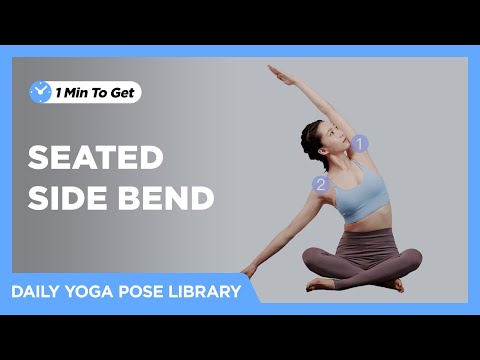 1 Min to Learn Seated Side Bend · Daily Yoga TipsDaily Yoga App · 1:40
 10 Minute Evening Yoga for Better SleepYoga With Bird · 12:43
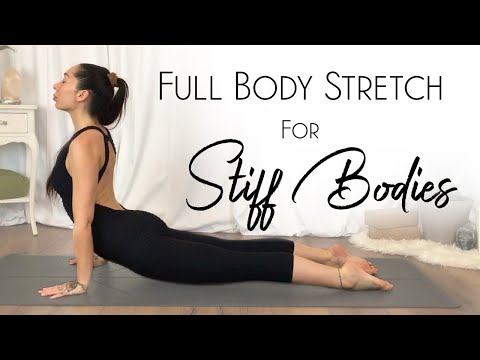 10 Minute Yoga Full Body Stretch for Stiff BodiesYoga With Bird · 10:17
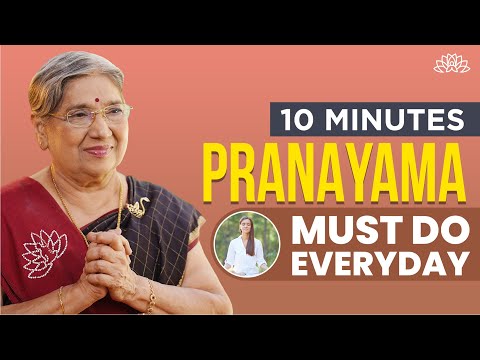 10 Minutes Traditional Pranayama Techniques Must Do Everyday · Breathing TechniquesThe Yoga Institute · 5:49
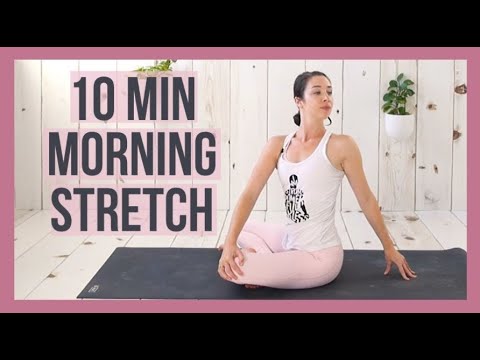 10 min Morning Yoga Stretch for Beginners - Energy Boost YogaYoga with Kassandra · 13:30