Drishti - The Nine Focal Points In The Ashtanga Vinyasa Yoga Practice. Vital Techniques
The various techniques and methods that are used in Yoga are aimed at drawing the awareness in the present by tuning into the ...
Transcript
it is said that where the attention goes is where the energy flows similarly where the awareness goes is where Prana flows Namaste and welcome back to my channel in this video I'll be talking about dishti and telling you the nine dishes that are used in the Ashtanga Vinyasa practice so please stay tuned until the end of the video dishti is a yogic technique or a method of focusing the Gaze on a point during the practice this has physical as well as mental benefits physically it helps the practitioner to steady The Gaze steady the mind which in turn helps in Balance through the body and this is enormously helpful especially in challenging balancing postures mentally it helps the practitioner to get into a deeper level of concentration tune into the rhythm of the breath a little more easily and focus on the sensation s that emerge with every single breath it is all about practicing with more awareness or with full awareness into the present into the breath now taking it to a deeper level or a more subtle level having a gaze or a dishy helps to tune into the breath more easily but also take the whole practice to a deeper level and that practice goes beyond just just holding certain postures it helps to draw the awareness inwardly now as human beings we are highly visual beings and it is normal and natural for our eyes to wander around the room and wandering eyes create distractions so having that focal point or that dishy helps to stay away from those distractions and turn the awareness Inward and that helps us look into a higher level of Consciousness it is about moving from the world of illusions that come through the senses that may come through the senses and tuning into the real essence or the truth so going from assat Illusions to suth truth Inner Essence true and pure Consciousness and this practice on the mat if practice regularly helps us to integrate this with wisdom and this focus in our day-to-day life and in every moment of our life this is why it is so important to practice it on the mat during our yoga Asen or yoga pranayam practice now just one little tip whenever we have a gaze or we're holding a gaze we want to keep the Gaze nice and soft it's not about straining the eyes or uh straining the head the brain or the body in any way but we want to keep the Gaze nice and soft all right so coming on to the uh dishes in Ashtanga Yoga let me start off by explaining what ashta Anga means ashta means eight Anga means limbs so there are eight limbs uh that we need to practice to reach the goal of yoga I will be talking about the ashra angas or the eight limbs of yoga in separate videos but I quickly will touch on the fifth and sixth limb right now because they're very relevant to the topic of this video the fifth limb is prahar prahar translates into uh withdrawal of Senses so like I said this world of Illusion or the stimulation that we can get through our senses we want to kind of detach from it during our practice and turn the awareness inward that helps to cultivate concentration and then then we go on to the sixth limb which is DH DH translates into to hold or to keep so keeping that focus and that concentration ongoing steadying the focus steadying The Gaze right now let's um have a look at what the nine dishes are in Ashtanga Yoga the first one is nasra dhy that is gazing at the tip of the nose again we don't want to strain our eyes so we're softly gazing at the tip of the nose or just at the silhouette of our nose second is AG chakra drishti the third eye dishy so we're softly gazing at that point in between both the eyebrows AGA chakra third eye chakra third one is nabii chakra dhy that is the belly button so Nabi chakra gazing at the belly button or the naval like we do in down facing dog for example next is hastra which is the hand so gazing toward the hand like so for example then we have pishi which is the foot or the tips or the toes of our feety then we have pishy pishy is far to the right or far to the left like we do in twists when we say look over the shoulder we're looking we're having a pishi that's pishi next is anishi or urishi meaning upward so we're gazing toward the sky for example urad and then we have Ang M meaning the tip of the thumbs like we do in Warrior one when when our arms are stretched out we're gazing toward the tips of the thumbs and then the last one is srishti now sometimes parad drishti are two separate dishes left and right um but sometimes there are a couple together and then we have srishti srishti is the ninth one and it is gazing straight ahead so without turning the head in any direction we're gazing straight ahead so those are the nine dishes in the Ashtanga Yoga practice the reason I decided to make this video is because I'll be following with some Ashtanga Vinyasa tutorials and um in those videos whether I'm showing just one posture that um is included in the primary series or a Vinyasa I'll be talking and saying out the names of the dishes so now you'll be a little more familiar with what it means why it is practiced and what the names of the dishes are in the description box below I'll be typing out the names in Sanskrit as well as in English so that you're more familiar with the names thank you very very much for watching I hope that this was useful and interesting uh please do like and share this video with your friends with your family and so that you can get to see the upcoming videos and other videos that are already on my channel thank you once again Namaste have a great day
More practice
 Ashtanga Yoga - 8 Limbs of Yoga · Yoga Teacher Training · Anvita DixitYogic Gurukul · 10:26
 Developing Focus Using Drishti in Yoga PracticeThe Unfurling Fern
 How to Marichyasana A & C with Preparatory asana practice ll Ashtanga Yoga ll Archie's YogaArchie's Yoga
 What is the Difference Between Ashtanga and Vinyasa Yoga?KinoYoga · 9:15
 Yoga With SRI · Dirgha Pranayama Deep Yogic Breathing Intro AND Warm UP · Pranayama Practice ZoneSrimathumitha
 14-15 🕉️ Yama and Niyama in Ashtanga Yoga vs The Protocols of Computer ScienceDheer Singh Yadav · 3:37
 30 Minute Trauma and Ptsd Informed Yoga PracticeBreathe and Flow · 34:30
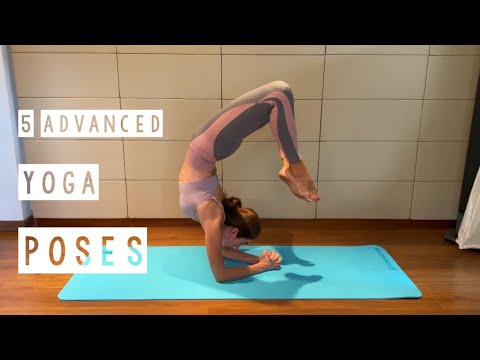 5 Advanced Yoga Asanas to Practice at Home 🧘♀️ · Master Challenging Poses with Sanskrit NamesSveta Ananda Yoga