Questions
No. Yoga builds flexibility, strength, and awareness over time—come as you are.
What are the Eight Limbs of Yoga?The Eight Limbs are Patanjali's framework for yoga practice: ethical guidelines (Yamas, Niyamas), physical postures (Asana), breath control (Pranayama), sense withdrawal (Pratyahara), concentration (Dharana), meditation (Dhyana), and union (Samadhi).
What is yoga?Yoga, from Sanskrit "yuj," means to yoke or unite the body, mind, and spirit. It's a holistic path to inner peace, clarity, and well-being, fostering harmony within oneself and with the world.
What should I wear and bring to my first class?Wear comfortable, breathable clothes you can move in; bring water and a mat if you have one.
What are the main types of yoga?Yoga encompasses traditional paths like Karma, Bhakti, Jnana, and Raja Yoga, each offering a unique journey toward union, while modern styles often focus on physical postures.
How often should I practice as a beginner?2–3 times per week is a solid start; even 10–20 minutes at home helps.
What does "yoga" mean?Yoga means "to yoke" or "union," a path to still the mind's fluctuations (Citta Vṛtti Nirodhaḥ) and connect body, mind, and spirit for inner peace and self-realization.
Is yoga a workout or a mindfulness practice?Both—depending on the style and your intention.
Is yoga a religion?Yoga is not a religion, but a holistic spiritual science and philosophical system originating from ancient India, offering universal practices for self-realization and inner peace, transcending specific dogma.
I have an old injury—can I still practice?Often yes, with modifications and guidance from a qualified teacher.
How do I choose which style of yoga is right for me?Try several styles to find what resonates—consider your goals, energy level, and schedule.
What do you actually do in a yoga class?A yoga class integrates physical postures (asanas), breathing exercises (pranayama), and moments of meditation or relaxation to cultivate harmony between body, mind, and spirit.
How long should a yoga session be?The ideal yoga session length varies greatly; prioritize quality, mindful engagement, and listening to your body over strict duration. Even short, consistent practices offer profound benefits.
Can I learn yoga at home, or do I need a studio?Both work. Studios offer hands-on guidance; home practice gives flexibility and convenience.
How often should beginners practice?For beginners, consistency is key. Aim for 2-3 times a week, even short sessions, gradually building a regular practice that honors your body and schedule.
Will yoga help me lose weight?Some styles burn calories, but yoga's greatest impact is often on stress, habits, and body awareness.
What do you wear to yoga?Wear comfortable, breathable clothing that allows full freedom of movement and doesn't distract you, enabling a focused, inner-directed practice.
Is yoga spiritual or religious?Yoga has roots in Hindu and Buddhist traditions but modern classes are typically secular.
What equipment do I need?For yoga, primarily a mat and comfortable clothing suffice. The most essential equipment is your own body and breath, ready to explore the practice.
Am I too old to start yoga?No. Yoga is accessible at any age with appropriate modifications.
Can yoga help with anxiety and stress?Yes. Breathwork and mindful movement activate the parasympathetic nervous system, reducing stress.
What is the difference between yoga and stretching?Stretching primarily targets physical flexibility, while yoga is a holistic practice integrating physical postures (asana), breath (pranayama), and meditation (dhyana) for mind-body unity.
What qualifications should a yoga teacher have?Look for 200-hour or 500-hour certification (RYT), continuing education, and good communication.
What is a yoga mat and why is it used?A yoga mat is a dedicated, often grippy surface that provides stability, comfort, and hygiene for practicing yoga *asanas* (postures), helping to cultivate focus and support a steady practice.
What is the purpose of yoga?Yoga's purpose is to unite body, mind, and spirit, cultivating inner peace, clarity, and self-realization by stilling the fluctuations of the mind.
Can yoga help with back pain?Often yes. Gentle stretching, core strengthening, and posture awareness can reduce chronic back pain.
Can yoga be my only form of exercise?Yoga, especially asana (postures), provides profound physical and mental benefits, but a holistic view of exercise might benefit from diverse movement practices.
Is yoga expensive? Are there affordable options?Costs vary widely. Many studios offer sliding scale, community classes, or donation-based sessions.
Is hot yoga safe for beginners?It can be, but heat adds intensity. Start with regular-temperature classes if you have heart or heat-sensitivity concerns.
How is yoga different from meditation?Yoga is a comprehensive philosophical system for mind-body-spirit integration, while meditation (dhyana) is a specific practice and a core limb *within* yoga aimed at cultivating mental stillness.
Is yoga safe for beginners?Absolutely! Yoga is very safe for beginners when approached mindfully and with proper guidance. It offers immense benefits for body, mind, and spirit.
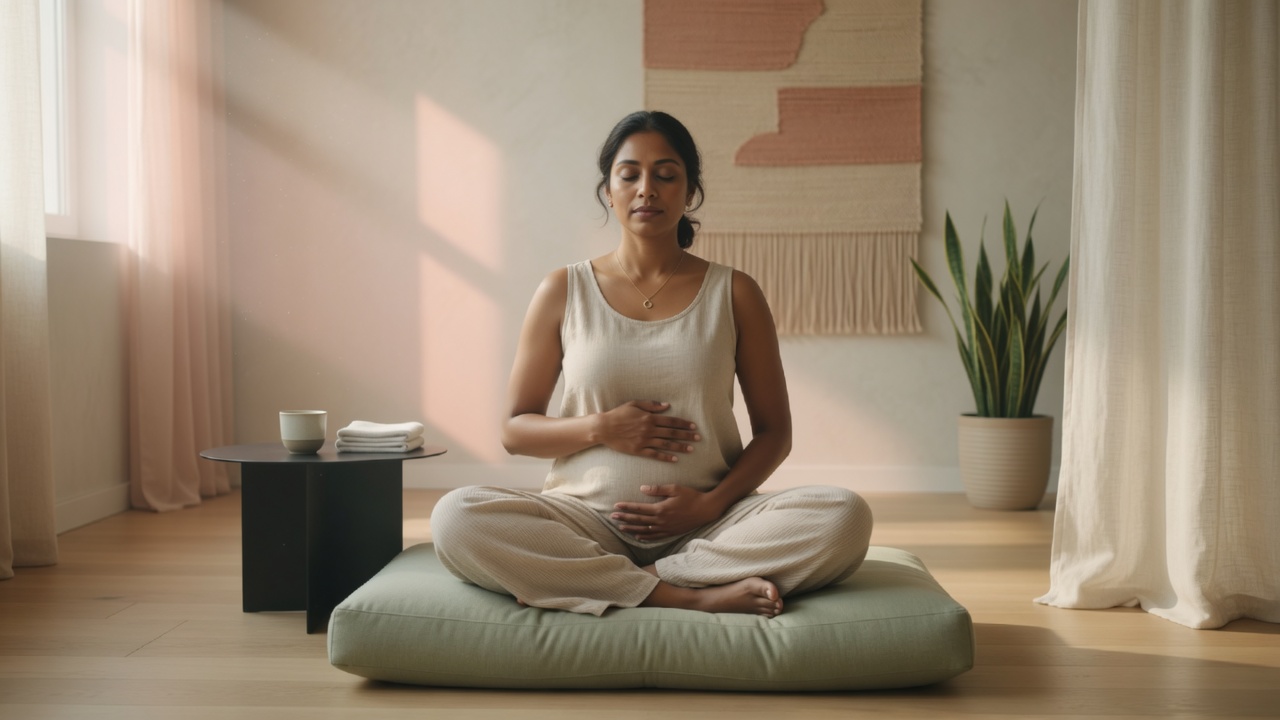
Can I practice yoga during pregnancy?Yes, with prenatal modifications and your doctor's approval.
What should I expect in my first yoga class?Expect breath cues, guided movement, props, and a relaxation period—all at a pace you control.
Can yoga help reduce stress?Yes, yoga profoundly reduces stress by calming the nervous system, quietening the mind, and fostering inner peace through a holistic practice of movement, breath, and meditation.
What's the difference between yoga and Pilates?Both build strength and flexibility. Yoga emphasizes breath and mindfulness; Pilates focuses on core control.
Can yoga help with anxiety or depression?Yes, yoga profoundly supports mental well-being by calming the nervous system and fostering self-awareness, offering a holistic approach to managing anxiety and depression.
Do I have to meditate in yoga class?Not all classes include meditation, but brief moments of stillness or breath focus are common.
Can yoga help with weight loss?Yes, yoga can support weight loss as part of a holistic lifestyle, cultivating body awareness, stress reduction, and mindful living rather than merely burning calories.
Are inversions safe for everyone?Not always. Avoid inversions with unmanaged high blood pressure, glaucoma, or neck injuries.
Is yoga good for back pain?Yes, yoga can be profoundly beneficial for back pain, strengthening core muscles, improving flexibility, and fostering body awareness to alleviate discomfort and prevent recurrence.
Can yoga improve posture?Yes, yoga significantly improves posture by cultivating body awareness, strengthening core muscles, and promoting balanced alignment, leading to a more upright and stable physical presence.
Can yoga improve sleep?Yes, yoga profoundly enhances sleep by calming the nervous system, reducing stress, and fostering a state of inner peace conducive to deep rest and rejuvenation.
Is yoga safe during pregnancy?Yes, with proper modifications and expert guidance, yoga can be a profoundly safe and supportive practice during pregnancy, offering numerous physical and emotional benefits for both mother and baby.
Is yoga safe for seniors?Yes, yoga is remarkably safe and highly beneficial for seniors when approached mindfully and with appropriate modifications, promoting physical and mental well-being.
What if I have an injury?If you have an injury, always prioritize **Ahimsa** (non-harming) by listening to your body, modifying poses, and consulting healthcare professionals before practicing yoga.
Can yoga replace physical therapy?No, yoga generally complements physical therapy rather than replacing it. While yoga offers profound holistic benefits, physical therapy provides targeted, diagnostic treatment for specific injuries and conditions.
Should I eat before yoga?For optimal comfort and deeper practice, it's generally best to practice yoga on an empty stomach, or at least two to three hours after a heavy meal. A light, easily digestible snack is acceptable if needed.
Can yoga improve cardiovascular health?Absolutely, yoga significantly improves cardiovascular health by strengthening the heart, enhancing circulation, and profoundly reducing stress, supporting a vibrant and healthy life.
Can yoga help chronic pain?Yes, yoga offers a holistic approach to chronic pain, integrating physical postures, breathwork, and mindfulness to alleviate discomfort and improve overall well-being.
Will yoga improve my flexibility?Yes, consistent yoga practice significantly enhances physical flexibility by lengthening muscles, improving joint mobility, and releasing tension through mindful movement and breathwork.
Where did yoga originate?Yoga originated in ancient India, with roots dating back over 5,000 years to the Indus Valley Civilization and evolving through Vedic traditions and classical philosophical texts.
Who created yoga?Yoga wasn't created by a single individual but evolved over millennia, rooted in ancient Indian spiritual traditions and refined by countless sages and texts.
What is Patanjali's Yoga Sutras?Patanjali's Yoga Sutras are a foundational text for yoga, outlining the philosophical framework and practical path to inner peace and liberation through the 'eight limbs' (ashtanga yoga).
What is the Bhagavad Gita's role in yoga?The Bhagavad Gita is a foundational yoga text, guiding practitioners in integrating spiritual wisdom into daily life through paths like Karma, Bhakti, and Jnana Yoga, fostering self-realization.
What is the difference between classical and modern yoga?Classical yoga primarily focuses on liberation through mental and ethical discipline, as outlined in texts like Patanjali's Yoga Sutras, while modern yoga often emphasizes physical postures (asana) for health and well-being.
What is karma yoga?Karma Yoga is the spiritual path of selfless action, where one performs their duties with dedication but without attachment to the results, purifying the heart and fostering inner peace.
What is bhakti yoga?Bhakti Yoga is the path of heartfelt devotion, cultivating profound love and surrender to the Divine. It's a universal spiritual practice fostering deep connection and inner peace through worship, prayer, and service.
What is jnana yoga?Jnana Yoga is the path of wisdom and knowledge, an intellectual and intuitive journey towards self-realization and understanding the ultimate nature of reality.
What is raja yoga?Raja Yoga, the 'royal path,' is the classical system of yoga from Patañjali's Sutras, emphasizing mental discipline and meditation through its Eight Limbs to attain inner peace and self-realization.
What is Hatha yoga?Hatha yoga is a foundational system using physical postures (asanas) and breathing techniques (pranayama) to balance the body's energies, promoting physical health and mental clarity for meditation.
What is Vinyasa yoga?Vinyasa yoga is a dynamic style synchronizing **breath** (`pranayama`) with a flowing sequence of **postures** (`asana`), creating a meditative dance that links movement to the rhythm of your inhale and exhale.
What is Ashtanga yoga?Ashtanga yoga is a dynamic and physically demanding style characterized by a fixed sequence of postures synchronized with breath (vinyasa), aiming to purify and strengthen the body and mind.
What is Yin yoga?Yin yoga is a slow, meditative style where passive postures are held for several minutes to target the deep connective tissues, promoting flexibility and cultivating inner stillness.
What is Restorative yoga?Restorative yoga is a deeply relaxing practice utilizing props to support the body in passive postures, activating the parasympathetic nervous system for profound rest and rejuvenation.
What is Kundalini yoga?Kundalini Yoga awakens dormant spiritual energy (Kundalini Shakti) through dynamic kriyas, breathwork, mantra, and meditation, aiming for expanded consciousness and self-realization.
What is Iyengar yoga?Iyengar yoga, developed by B.K.S. Iyengar, emphasizes precise anatomical alignment, meticulous sequencing, and the intelligent use of props to help students experience *asanas* (postures) fully, safely, and therapeutically.
What is Power Yoga?Power Yoga is a dynamic, fitness-focused style rooted in the Ashtanga Vinyasa tradition, emphasizing strength, flexibility, and cardiovascular health through continuous, flowing sequences.
What is Hot Yoga?Hot Yoga involves practicing yoga postures (asanas) in a heated room, typically between 90-105°F (32-40°C), with the intention of enhancing flexibility and promoting detoxification through sweating.
What is Prenatal yoga?Prenatal yoga is a gentle, specialized practice designed to support expectant mothers physically, mentally, and emotionally throughout pregnancy, preparing them for childbirth and the journey into motherhood.
What are the basic yoga poses?Basic yoga poses, or "asanas," are foundational postures like Tadasana (Mountain Pose) and Adho Mukha Svanasana (Downward-Facing Dog) that build strength, flexibility, and mindfulness, preparing the body and mind for deeper practice.
What does "asana" mean?Asana is a Sanskrit term meaning "seat" or "posture." In yoga, it refers to the physical positions practiced to cultivate steadiness, comfort, and ease in the body and mind, traditionally as preparation for meditation.
Why is alignment important?Proper alignment in yoga fosters stability, prevents injury, and allows for optimal energy flow (prana), transforming an asana into a steady and comfortable experience (sthira sukha asanam).
What if I can't do a pose?In yoga, 'can't do' means 'can explore.' Practice **ahimsa** (non-harming), listen to your body, and embrace variations. The journey of self-discovery is the true pose.
Should poses hurt?No, yoga poses should not cause pain. True yoga emphasizes finding a balance of steadiness and ease, listening to your body's wisdom.
How do I modify poses for my body?Modify poses by listening to your body's unique needs, prioritizing ease (sukha) and steadiness (sthira). Use props to support your alignment, making yoga accessible for every unique body.
What are props and how do I use them?Yoga props are supportive tools like blocks, straps, and bolsters designed to enhance alignment, deepen stretches, and make postures more accessible or restorative for every body.
What is the difference between active and passive stretching?Active stretching uses your own muscles to create length and stability, while passive stretching utilizes external support, like gravity or props, for a deeper, sustained release into flexibility.
How do I improve balance in yoga?Improve balance by cultivating a steady gaze (Drishthi), engaging your core, and embracing consistent, mindful practice with patience and non-attachment.
What causes shaking during poses?Shaking in yoga poses is often a natural response to muscle engagement, fatigue, or the nervous system adapting. It can also signify the release of stored tension or `kleshas` (afflictions).
What is pranayama?Pranayama, from Sanskrit 'prana' (life force) and 'ayama' (extension/control), is the conscious regulation of breath to direct and expand vital energy throughout the body-mind system.
How important is breathing in yoga?Breathing is the very essence of yoga, guiding prana (life force) to calm the mind and deepen physical and spiritual awareness, making it indispensable to your practice.
What is Ujjayi breath?Ujjayi breath, or 'victorious breath,' is a pranayama technique involving a gentle constriction at the back of the throat, creating an oceanic sound during inhalation and exhalation.
What is alternate nostril breathing?Alternate nostril breathing, or **Nadi Shodhana Pranayama**, is a foundational yoga breath technique that purifies subtle energy channels (**nadis**) and calms the nervous system by alternating breath through each nostril.
What is breath retention?Breath retention, or **Kumbhaka**, is a powerful pranayama technique involving holding the breath after inhalation or exhalation to deepen internal stillness and optimize energy flow within.
Does yoga breathing reduce stress?Yes, absolutely! Yoga breathing, or "Pranayama", profoundly reduces stress by calming your nervous system, fostering inner peace, and bringing clarity to your mind.
How do I breathe during difficult poses?Breathe gently and rhythmically through your nose, never holding your breath. Let your breath guide you to find ease and stability within challenging poses.
Can pranayama be done without yoga poses?Absolutely! While often practiced together, pranayama can be a powerful standalone practice, offering profound benefits for mind and body without the need for physical yoga poses (asanas).
What's the safest breathwork for beginners?For beginners, "Diaphragmatic Breathing" (Abdominal Breathing) is the safest and most foundational breathwork, promoting relaxation and cultivating breath awareness without strain.
Can breathwork boost energy?Yes, breathwork (Pranayama) significantly boosts energy by cultivating and directing vital life force, "prana," throughout the body and mind. It awakens inner vitality and clarity.
What is meditation in yoga?Meditation, or Dhyana, in yoga is the sustained practice of focusing the mind on a single point to quiet mental fluctuations, cultivate profound awareness, and achieve inner stillness.
How is mindfulness related to yoga?Yoga inherently integrates mindfulness, the practice of present-moment awareness, across all its limbs to cultivate focus, inner peace, and a deeper connection to oneself.
Can I practice meditation without yoga?Yes, you can absolutely practice meditation independently. However, traditional yoga offers a comprehensive, time-tested system that deeply enriches and prepares the mind and body for profound meditative states.
How long should I meditate?Start small, even 5-10 minutes, and gradually extend your meditation duration as your practice naturally deepens; consistency is far more important than length.
What's the best meditation technique for beginners?For beginners, focusing on the breath (Anapanasati) is often the most accessible and foundational meditation technique, fostering present moment awareness with gentle ease.
Why does my mind wander during meditation?Your mind naturally wanders because it is active (citta vritti). This isn't a failure, but the very practice itself: noticing the wandering and gently guiding awareness back.
How do I stay consistent with meditation?Cultivate **abhyāsa** (diligent practice) and **vairagya** (non-attachment to outcomes). Begin with a sustainable routine, trusting the process with **śraddhā** (faith), and gently returning to your cushion daily.
Can meditation reduce burnout?Yes, meditation significantly reduces burnout by cultivating inner peace, resilience, and a deeper sense of self, helping to restore mental and emotional balance.
What is mantra meditation?Mantra meditation is a powerful practice that uses the rhythmic repetition of a sacred sound, word, or phrase (a mantra) to focus the mind, calm the nervous system, and deepen spiritual connection.
What is OM?OM (Aum) is the sacred primal sound, a **mantra** representing the entire cosmos and the ultimate reality, Brahman. Chanting it connects us to universal consciousness and inner peace.
What does a yogic lifestyle mean?A yogic lifestyle extends beyond physical postures, integrating ancient wisdom and ethical principles (Yamas, Niyamas) into daily life for holistic well-being and spiritual growth.
What is Ayurveda's connection to yoga?Ayurveda and Yoga are ancient sister sciences from India, both guiding us toward holistic well-being. They share a profound understanding of the human being, aiming for balance and liberation.
Do yogis follow a special diet?Yes, traditionally yogis gravitate towards a "Sattvic" diet, emphasizing purity, freshness, and moderation ("Mitahara") to support their practice and holistic well-being.
What are yamas and niyamas?Yamas and Niyamas are yoga's foundational ethical guidelines, offering a moral compass for how we interact with the world (Yamas) and ourselves (Niyamas) on the path to inner harmony.
Do I need to be vegetarian to practice yoga?No, a vegetarian diet isn't a strict prerequisite for practicing yoga. However, the yogic principle of "ahimsa" (non-harming) often inspires practitioners to choose plant-based nutrition as part of their mindful journey.
How do I make yoga part of daily life?Integrate yoga by practicing mindfulness, conscious breathing, and ethical principles throughout your day, not just on the mat. Start small, be consistent, and observe how yoga extends beyond physical postures.
What's the best time of day for yoga?The best time for yoga is often pre-dawn (Brahma Muhurta) or early morning for freshness, but consistency and listening to your body are key. Any time you can practice mindfully is beneficial.
Should I track my yoga progress?Tracking yoga progress can be beneficial if approached with "mindfulness" and "self-compassion", focusing on internal growth over external achievements.
How does yoga support mental health?Yoga calms the *citta* (mind-stuff) and fosters emotional resilience by integrating breath, movement, and mindfulness, promoting overall mental well-being and reducing stress.
Is yoga cultural appropriation?Yoga, at its heart, is a universal path to well-being, yet its modern global spread can raise important questions about cultural appropriation. Mindful engagement with its rich history helps us honor its origins.
How do I choose a yoga teacher?Choosing a yoga teacher (guru) involves finding a guide who embodies authentic wisdom, inspires trust (shraddha), and supports your journey toward self-discovery and well-being.
What makes a class "beginner-friendly"?A beginner-friendly class prioritizes clear instruction, accessible modifications for all bodies, and a welcoming atmosphere, empowering new practitioners to safely explore yoga's foundational principles.
Is private yoga worth it?Private yoga offers invaluable personalized guidance, tailoring the practice to your unique body, mind, and aspirations. This focused attention can accelerate understanding and deepen your journey in ways group classes often cannot.
What is Yoga Alliance?Yoga Alliance is a non-profit association in the U.S. that serves as a voluntary registry for yoga teachers and schools, establishing widely recognized educational standards and ethical guidelines for the industry.
What does RYT 200 or RYT 500 mean?RYT 200 and RYT 500 designate a Registered Yoga Teacher with Yoga Alliance, indicating completion of foundational (200-hour) or advanced (500-hour) training programs.
Should I train to become a yoga teacher?Training to become a yoga teacher is a profound journey of self-discovery and **Seva** (service). It's for those with a deep desire to share authentic teachings and commit to continuous personal and spiritual growth.
How do online classes compare to in-person?Online and in-person yoga classes each offer unique benefits, from accessibility and convenience to direct feedback and community, supporting your "sadhana" (spiritual practice) in different ways.
How do I find the right yoga community?Finding the right yoga community involves seeking a supportive *sangha* that resonates with your authentic self, fostering a space for *svadhyaya* (self-study) and shared growth.
Is yoga safe for people over 60?Yes, yoga is generally very safe and profoundly beneficial for individuals over 60, offering a holistic path to enhanced well-being with mindful adaptations.
What type of yoga is best for seniors?Gentle, adaptive yoga styles like Chair Yoga, Restorative Yoga, or modified Hatha are often ideal for seniors, emphasizing safety, mobility, and overall well-being rather than vigorous postures.
Can yoga help with arthritis in older adults?Absolutely! Yoga, with its gentle asana (postures) and mindful breathing, can significantly improve joint flexibility, reduce pain, and enhance overall well-being for older adults managing arthritis.
What modifications should seniors use?Seniors should prioritize listening to their bodies, using props like chairs and blocks for support, and focusing on gentle movements to enhance stability and ease.
Is chair yoga effective?Yes, chair yoga is highly effective, offering a gentle yet profound path to physical well-being and mental calm, making authentic yoga accessible to all.
Can yoga improve balance and prevent falls?Yes, yoga significantly enhances balance by strengthening foundational muscles and improving body awareness, thereby effectively reducing the risk of falls, particularly for seniors.
What props are helpful for senior yogis?For senior yogis, props like chairs, blocks, straps, and blankets are invaluable tools that enhance stability, support, and comfort, making yoga accessible and safe for all bodies.
Can yoga help with osteoporosis?Yes, a gentle, adapted yoga practice can significantly support bone health, improve balance, and strengthen muscles, which are crucial for managing osteoporosis and preventing falls.
How often should seniors practice yoga?For seniors, consistent yoga practice, ideally daily or several times a week, offers profound benefits, always prioritizing individual needs and listening to the body.
What poses should seniors avoid?Seniors should prioritize modifications and avoid poses that cause pain, compromise balance, or involve extreme inversions without proper support, always listening to their body's unique needs.
Can yoga improve cognitive function in seniors?Yes, absolutely! Regular yoga practice, encompassing movement, breath, and meditation, can significantly enhance cognitive function, memory, and focus in seniors by promoting mental clarity and reducing stress.
Is it too late to start yoga at 70?Absolutely not! Yoga is a lifelong journey of self-discovery, accessible and profoundly beneficial at any age, including 70 and beyond, focusing on inner peace over physical prowess.
How can yoga help with joint stiffness?Yoga gently mobilizes joints, enhances flexibility, and improves circulation, reducing stiffness and promoting ease (sukham) and stability (sthiram) in the body.
What breathing exercises are safe for seniors?Gentle pranayama like Dirga Swasam (Three-Part Breath) and Nadi Shodhana (Alternate Nostril Breathing) are safe for seniors, promoting calm, focus, and vitality.
Can gentle yoga reduce chronic pain in older adults?Yes, gentle yoga significantly reduces chronic pain in older adults by enhancing physical function, improving flexibility and strength, and fostering a deeper mind-body connection for greater ease.
At what age can children start yoga?Children can begin engaging with yoga at almost any age, often starting as early as toddlerhood, as the practice is highly adaptable to their developmental stage and presented playfully.
What are the benefits of yoga for children?Yoga helps children develop physical strength, flexibility, and balance, alongside crucial emotional regulation, focus, and inner peace, fostering holistic well-being from a young age.
How long should a kids yoga session be?Kids yoga sessions should be tailored to the child's age and attention span, typically ranging from 15 to 45 minutes for optimal engagement and lasting benefit.
Can yoga help children with ADHD?Yes, yoga provides a gentle yet powerful framework to support children with ADHD by enhancing focus, self-regulation, and emotional balance through mindful movement, breathwork, and self-awareness practices.
How do you make yoga fun for kids?Make yoga fun for kids by transforming poses into playful adventures, incorporating imagination, storytelling, and animal sounds to engage their natural curiosity and energy.
What yoga poses are best for teenagers?Yoga offers teenagers a balanced practice of strengthening, stretching, and calming poses, fostering physical health, mental focus, and emotional well-being during a pivotal developmental stage.
Can yoga help with exam stress for students?Absolutely, yoga offers powerful, time-tested tools to effectively manage exam stress, enhancing mental clarity, emotional balance, and physical ease for students.
Should children practice meditation?Yes, children can greatly benefit from age-appropriate meditation practices, fostering focus, emotional well-being, and inner calm through playful presence.
What equipment do kids need for yoga?Kids primarily need comfortable clothing and a clear, safe space for yoga. While a mat can be helpful, it's not strictly necessary to begin their mindful movement journey.
Can yoga improve focus in school?Yes, yoga significantly improves focus in school by calming the mind, enhancing present-moment awareness, and cultivating concentration through breath and mindful movement practices.
Is yoga safe for children with special needs?Yes, yoga can be wonderfully beneficial and safe for children with special needs when adapted mindfully by a qualified instructor, fostering physical, mental, and emotional well-being.
How can parents practice yoga with their children?Parents can practice yoga with children by creating a playful, inclusive space, adapting postures to suit all ages, and focusing on breath and mindfulness for shared well-being and connection.
What is family yoga?Family yoga is a joyful practice where individuals of all ages unite to explore movement, breath, and mindfulness, fostering connection and well-being together.
Can yoga help teenagers with anxiety?Yes, yoga offers powerful tools for teenagers to manage anxiety by fostering self-awareness, regulating the nervous system, and promoting inner calm through ancient practices.
What are animal poses in kids yoga?Animal poses in kids yoga are playful asanas (postures) inspired by animals, helping children engage their imagination, build strength, and develop mindfulness in a fun, accessible way.
What yoga mat should I buy as a beginner?For beginners, a mat that offers good grip, comfortable cushioning (around 4-6mm), and supports steady, comfortable postures (*sthira-sukham asanam*) is ideal. Prioritize function over brand.
What are yoga blocks used for?Yoga blocks are versatile props designed to offer support, extend reach, and deepen postures, making yoga more accessible, comfortable, and aligned for all practitioners.
Do I need a yoga strap?While not strictly essential for yoga, a strap can be a wonderful tool to extend your reach, deepen stretches safely, and improve alignment, making postures more accessible.
What is a yoga bolster?A yoga bolster is a firm, supportive cushion designed to provide comfort, stability, and depth to yoga postures, facilitating relaxation and ease in practice.
How do I clean my yoga mat?Maintaining your yoga mat's cleanliness reflects the yogic principle of Saucha (purity). A simple, natural cleaning solution and regular care will keep your mat fresh and extend its lifespan.
What thickness yoga mat is best?The best yoga mat thickness is deeply personal, depending on your practice style, body needs, and the support desired for your joints. Generally, a mat between 4-6mm offers a good balance of comfort and stability for most practitioners.
Are expensive yoga mats worth it?The 'worth' of an expensive yoga mat is subjective; while premium mats can offer enhanced grip and durability, a dedicated practice on any comfortable surface holds true value. Focus on presence, not price.
What is a yoga wheel used for?A yoga wheel is a versatile prop designed to support and deepen stretches, enhance flexibility, particularly in backbends, and improve balance, fostering a more connected and mindful asana practice.
Should I use a yoga blanket?Absolutely, a yoga blanket is a versatile and valuable prop that can significantly enhance your comfort, support, and ability to relax and focus during your *asana*, *pranayama*, and meditation practices.
What are yoga sandbags for?Yoga sandbags are versatile props that provide gentle weight, stability, and grounding to deepen stretches, enhance relaxation, and promote body awareness in various asanas.
Can I use household items as yoga props?Absolutely! Many household items can be wonderfully effective and accessible yoga props, helping you deepen your practice and find greater comfort and alignment in various postures.
What is a meditation cushion?A meditation cushion, often called a zafu, is a specialized prop designed to elevate the hips, support the spine, and help maintain a stable, comfortable, and alert posture during seated meditation practices.
How often should I replace my yoga mat?Replace your mat when it no longer supports your practice, losing grip or cushioning, or showing significant wear. Its lifespan depends on usage, care, and material, often 6-12 months for frequent practitioners.
What yoga accessories are essential?The most essential yoga accessories are your body and breath. While props like a mat, blocks, and straps can enhance comfort and accessibility, they are tools to support your inner journey, not prerequisites for practice.
What is an eco-friendly yoga mat?An eco-friendly yoga mat is crafted from sustainable, non-toxic, and often biodegradable materials, embodying the yogic principle of Ahimsa (non-harming) towards the Earth.
Should I eat before yoga practice?For optimal comfort and energy flow during your practice, it's generally best to engage in yoga on an empty stomach, allowing 2-3 hours after a main meal or 30-60 minutes after a light snack.
What should I eat after yoga?After yoga, hydrate thoroughly with water or herbal tea and choose easily digestible, nourishing foods like fresh fruits, vegetables, or light grains to replenish energy and support your body's post-practice recovery, aligning with *sattvic* principles.
Is there a specific yogic diet?There isn't one rigid "yogic diet" but rather a mindful approach to food, emphasizing **Sattvic** (pure, wholesome) choices that nourish the body and mind, fostering clarity and peace.
What are sattvic foods in yoga?Sattvic foods are pure, fresh, and wholesome nourishment that promotes clarity, peace, and vitality, fostering a state of *sattva* (purity) in mind and body.
How does Ayurveda relate to yoga nutrition?Ayurveda, Yoga's sister science, provides a personalized framework for yoga nutrition, guiding food choices based on individual constitution (dosha) to optimize health and support yoga practice.
Should yogis be vegetarian?While not a strict mandate, a vegetarian diet strongly aligns with the core yogic principle of Ahimsa (non-harming) and the cultivation of Sattva (purity) for a clearer mind and body.
How much water should I drink before yoga?Mindful, consistent hydration throughout the day is far more beneficial than chugging water just before yoga. Avoid large quantities right before practice to prevent discomfort and maintain optimal energy flow.
What foods help with flexibility?A diet rich in fresh, whole, and natural foods like vibrant fruits, leafy greens, nourishing grains, and healthy fats supports tissue health and reduces inflammation, fostering greater physical and energetic flexibility.
Can yoga help with mindful eating?Yes, profoundly so! Yoga cultivates deep body awareness and presence, directly fostering mindful eating habits by connecting us to our internal wisdom and satiety cues.
What are tamasic and rajasic foods?Tamasic foods induce inertia and dullness, while rajasic foods incite restlessness and overstimulation, both hindering the balance necessary for yoga practice.
Should I do a detox or cleanse?Traditional yoga emphasizes daily, sustainable practices for holistic purification rather than aggressive, short-term detoxes. Focus on mindful living and nourishment.
What role does fasting play in yoga?Fasting (upavasa) in yoga is primarily a spiritual practice for purification (shaucha), self-discipline (tapas), and cultivating inner awareness, rather than solely a dietary regimen.
How can I eat more mindfully?Mindful eating in yoga cultivates **awareness** of what, why, and how we eat, treating food as sacred **prana** to nourish both body and mind.
What herbs and spices support yoga practice?Herbs and spices like "Turmeric", "Ginger", and "Ashwagandha" support yoga practice by enhancing digestion (agni), calming the mind, and promoting physical flexibility and resilience, aligning with holistic well-being.
Is coffee compatible with yoga?Traditionally, coffee's stimulating nature is often linked to **rajas**, a quality that can agitate the mind. While not inherently 'bad,' mindful consumption aligning with **sattva** is key for inner peace and balanced energy.
What happens at a yoga retreat?A yoga retreat offers an immersive experience to deepen your practice through focused asana, pranayama, and meditation, often exploring yoga philosophy and community in a dedicated environment.
How do I choose the right yoga retreat?Choosing the right yoga retreat begins with deep self-reflection, understanding your personal intentions (Sankalpa), and aligning with a philosophy and style that truly resonates with your inner seeking.
Are yoga retreats worth the cost?Yoga retreats offer invaluable opportunities for deep immersion, accelerated personal growth, and profound self-discovery, making their cost often a worthwhile investment in one's well-being.
What should I pack for a yoga retreat?Pack mindfully, prioritizing comfortable attire, essential toiletries, and an open, receptive mind (śraddhā) to embrace the profound experience of a yoga retreat.
Can beginners attend yoga retreats?Absolutely! Yoga retreats are an incredible way for beginners to immerse themselves in foundational practices within a supportive, distraction-free environment, accelerating their understanding and growth.
What is the difference between a retreat and a teacher training?A yoga retreat offers personal immersion and rejuvenation, fostering deeper individual practice, while a teacher training provides in-depth study and certification to guide others in the wisdom of yoga.
What are the best destinations for yoga retreats?The best yoga retreat destinations offer tranquil settings conducive to deep "sadhana" (spiritual practice) and self-discovery, with India, Bali, and natural havens like mountains or jungles often being ideal.
Should I go on a solo yoga retreat?Yes, a solo yoga retreat can be a profound journey of self-discovery (svādhyāya), offering a unique opportunity to deepen your practice and cultivate inner stillness away from daily distractions.
What is an ashram experience like?An ashram experience is a deeply immersive spiritual retreat focused on traditional yoga practices, communal living, and self-discovery in a disciplined yet nurturing environment.
How do I maintain my practice while traveling?Embrace flexibility and adapt your practice to your travel environment, finding yoga not just on a mat but in every mindful moment.
What is yoga tourism?Yoga tourism blends travel with dedicated yoga practice and spiritual exploration, offering an immersive journey for deep self-discovery and holistic well-being.
Are there affordable yoga retreats?Yes, affordable yoga retreats are absolutely available! With mindful planning and an open heart, you can find profound experiences that nurture your practice without straining your wallet.
What makes Rishikesh special for yoga?Rishikesh, nestled in the Himalayan foothills by the sacred Ganga River, is revered as the 'Yoga Capital of the World,' offering a unique blend of spiritual heritage, ancient wisdom, and natural serenity for profound yogic exploration.
Can I do a virtual yoga retreat?Yes, absolutely! Virtual yoga retreats offer a unique and accessible way to deepen your practice, cultivate inner peace, and engage in self-study (*svadhyaya*) from the comfort of your own home.
What is a silent yoga retreat?A silent yoga retreat is an immersive experience where participants observe a vow of silence (**mauna**) while engaging in yoga, meditation, and introspection to deepen inner awareness and self-connection.
How do I start a home yoga practice?Begin your home yoga practice by committing to a consistent, even brief, daily routine focusing on mindful movement and breath, making your space sacred. Embrace the journey with patience and self-compassion.
How do I create a yoga space at home?Creating a home yoga space involves mindful intention and a few practical elements to foster peace and focus for your practice, or "sadhana."
What equipment do I need for home yoga?Authentic yoga fundamentally requires only your body, breath, and presence. While a mat is helpful for comfort and stability, no special equipment is truly essential to begin your home practice.
How do I stay motivated to practice at home?Nurture home practice by cultivating consistency (abhyasa), self-discipline (tapas), and a dedicated space, letting intention (sankalpa) guide your journey.
Can I learn yoga from videos alone?Yes, you can begin learning yoga from videos, especially for foundational *asanas*. However, true mastery and deeper understanding often benefit greatly from experienced guidance.
How long should my home practice be?Your home practice duration depends on your capacity and commitment; consistency, even for short periods, is more vital than length. Begin with what feels sustainable and gradually expand.
What is a good morning yoga routine?A good morning yoga routine ideally blends gentle movement (Asana), mindful breathing (Pranayama), and quiet reflection (Dhyana) to awaken the body and calm the mind, setting a positive intention for your day.
What is a good evening yoga routine?An evening yoga routine gently unwinds the body and calms the mind, preparing you for restful sleep through mindful movement and breathwork, fostering inner peace and rejuvenation.
How do I build a consistent practice habit?Cultivate consistency through "abhyasa" (diligent practice) by setting realistic intentions and dedicating a regular, even brief, time and space for your yoga journey.
Should I use music during home practice?While personal, traditional yoga emphasizes quieting external stimuli for inner focus (chitta vritti nirodhah). Music can be an aid or a distraction; choose mindfully based on your intention.
How do I know if I am doing poses correctly at home?Listen to your body's subtle signals and prioritize comfort and stability over depth. Correctness is an internal experience of ease, not just outward appearance.
What is a yoga sequence?A yoga sequence is a thoughtfully arranged series of postures (asanas), breathwork (pranayama), and meditation, designed to lead practitioners through a journey of physical, mental, and spiritual exploration.
How can I practice yoga with limited space?Yoga truly requires no vast space; it flourishes within. Adapt your practice by focusing on mindful movement, breath (pranayama), and meditation (dhyana) wherever you are.
Should I warm up before home practice?Yes, a gentle warm-up is highly beneficial for home yoga practice to prepare your body and mind, fostering safety and deeper engagement.
How do I end my home practice properly?Conclude your home practice with **Savasana** for deep relaxation and integration, allowing the benefits to settle into your mind, body, and spirit.
What are common yoga injuries?Common yoga injuries often affect the wrists, knees, lower back, and hamstrings, typically stemming from improper alignment, forcing poses, or insufficient preparation. Mindful practice is key.
How can I prevent yoga injuries?Prevent yoga injuries by cultivating deep **awareness (pramāda)**, honoring your body's unique limits, and practicing with **Ahimsa** (non-harming) and mindful intention.
What should I do if I get hurt during yoga?If you experience pain, immediately pause and assess. Listen to your body, practice "Ahimsa" (non-harming), and prioritize rest and recovery.
Can yoga cause wrist pain?Yes, yoga can cause wrist pain if not practiced mindfully or with proper alignment. However, with awareness and modifications, it's largely avoidable, allowing you to enjoy the practice safely.
How do I protect my lower back in yoga?Protect your lower back in yoga by cultivating deep body awareness, prioritizing a neutral spine, and engaging your core (`Mula Bandha`) to provide stability and support.
Is knee pain from yoga normal?No, knee pain from yoga is not normal. It's a sign your body is asking for attention and adjustments to your practice to honor the principle of ahimsa (non-harming).
How can I protect my neck during yoga?Protect your neck in yoga by cultivating mindful awareness of its alignment, moving with breath, and respecting your body's current limits, especially in inversions and deep backbends.
Can I do yoga with a herniated disc?Yes, with careful modifications and expert guidance, yoga can be a supportive practice for managing a herniated disc by promoting stability and awareness.
When should I modify poses for an injury?Always modify yoga poses when experiencing pain or injury. Your body is your primary teacher (pramana), guiding you to practice ahimsa (non-harming) and find comfort (sukha).
Can yoga help recovery from sports injuries?Yes, yoga can significantly aid recovery from sports injuries by gently improving strength, flexibility, and circulation, while also offering powerful tools for pain management and mental resilience.
What is therapeutic yoga?Therapeutic yoga adapts traditional yoga practices to individual needs, using specific postures, breathwork, and meditation to support physical, mental, and emotional healing and overall well-being.
Should I practice yoga with shoulder pain?Approach shoulder pain with awareness (ahimsa). Consult a healthcare professional, then practice mindfully with modifications, focusing on healing and comfort over pushing through discomfort.
How do I know if pain during yoga is bad?Distinguish between healthy sensation or stretch and sharp, stabbing, or burning pain. Yoga cultivates ease (sukham) and steadiness (sthiram), never injury. Listen to your body's clear signals to prevent harm.
Can yoga cause hip problems?Yoga itself, when practiced mindfully, is rarely the cause of hip problems. However, improper technique, pushing beyond one's limits, or ignoring pre-existing conditions can indeed contribute to hip discomfort or injury.
What is the safest way to attempt advanced poses?The safest way to approach advanced yoga poses is with patience, dedicated preparation, under the guidance of a qualified teacher, and by truly listening to your body's wisdom.
What are the seven chakras?The seven chakras are vital energy centers within our subtle body, each associated with specific psychological and physiological functions, impacting our overall well-being from root to crown.
How does yoga balance chakras?Yoga balances chakras by clearing blockages in the **pranic** (energy) pathways, allowing vital life force to flow freely and harmonize these subtle energy centers, promoting overall well-being.
What is the root chakra?The root chakra, or **Muladhara** (meaning 'root support'), is the first energy center at the base of the spine, representing our foundation, stability, and primal needs for survival and security.
What is the third eye chakra?The "Ajna Chakra," or Third Eye, located between the eyebrows, is the center of intuition, inner wisdom, and perception beyond the physical senses. It guides our insight and clarity.
What is kundalini energy?Kundalini is the dormant, divine creative energy (Shakti) coiled at the base of the spine, awaiting awakening to ascend through the central energy channel (Sushumna Nadi), leading to profound spiritual transformation and liberation.
How do I know if my chakras are blocked?Blocked chakras" manifest as imbalances in your physical, emotional, or mental well-being, signaling that your life force, "prana," isn't flowing freely. Pay attention to persistent feelings of being stuck or unwell.
What are nadis in yoga?Nadis (NAH-deez) are the subtle energy channels within the yogic system that carry prana (life force energy) throughout our body, mind, and spirit, influencing our overall well-being.
What is prana and how do I cultivate it?Prana is the universal life force energy animating all existence, cultivated through conscious breathing (pranayama), mindful living, and nourishing practices for enhanced vitality.
What poses open specific chakras?Yoga poses stimulate and balance specific **chakras** (energy centers) through physical alignment and breath, promoting a harmonious flow of *prana* (life force) throughout the subtle body.
Can meditation help with chakra healing?Yes, meditation is a powerful tool for nurturing and balancing your *chakras* (*cakra*), promoting the harmonious flow of *prana* (life force) throughout your subtle energy system.
What is the difference between chakras and auras?Chakras are internal, spinning energy centers within the subtle body, while auras are the external, radiating electromagnetic fields that surround and reflect our overall energetic state.
What are mudras and how do they affect energy?Mudras are symbolic gestures, primarily of the hands, that serve as "seals" to channel and direct vital life force, or prana, influencing our energy flow and well-being.
What is energy healing in yoga?Energy healing in yoga is the practice of balancing and directing the body's vital life force, "Prana," through various techniques to restore harmony and well-being on all levels of existence.
Can sound healing balance chakras?Yes, sound healing can support chakra balance by harmonizing energetic vibrations within these centers, acting as a supportive practice within a holistic yoga journey.
What is the subtle body in yoga?The subtle body (sukshma sharira) in yoga is our energetic blueprint, comprising layers beyond the physical, like mind, emotions, and life force (prana), influencing our overall well-being.
How do I become a yoga teacher?Becoming a yoga teacher involves dedicated personal practice (sādhanā), completing a recognized Yoga Teacher Training (YTT), and committing to lifelong learning and ethical conduct.
What is involved in a 200-hour training?A 200-hour yoga training provides a foundational understanding of yoga philosophy, asana, pranayama, meditation, anatomy, and teaching methodology, preparing you to share yoga safely and authentically.
Should I pursue a 300-hour or 500-hour certification?The choice between a 300-hour and 500-hour certification depends on your existing foundation and teaching aspirations. Both deepen your understanding, but a 500-hour offers more comprehensive mastery.
How much can yoga teachers earn?Yoga teacher earnings vary widely by location, experience, and dedication, often balancing a living wage with the profound commitment to "seva" (selfless service) and "dharma" (purpose).
How do I start teaching yoga classes?To teach yoga, cultivate a deep personal practice and complete comprehensive training. Begin by sharing with humility and authenticity, always remaining a lifelong student of the path.
Should I get yoga teacher insurance?Yes, obtaining yoga teacher insurance is a wise and responsible choice, embodying ahimsa (non-harming) by protecting both yourself and your students in your role as an acharya (teacher).
How do I build a yoga teaching business?Building a yoga teaching business centers on **authentic service (seva)**, cultivating your unique **dharma**, and offering genuine value to your community with integrity and patience.
What are the ethics of yoga teaching?Yoga teaching ethics are built upon the **Yamas** and **Niyamas**, guiding principles for integrity, compassion, and mindful conduct both on and off the mat, ensuring a safe and authentic learning environment.
How do I teach online yoga classes?Teaching online yoga involves skillfully adapting your presence and pedagogy to a virtual space, emphasizing clear communication and fostering a nurturing digital *sangha* (community).
What makes a good yoga teacher?A good yoga teacher embodies authenticity, deep knowledge, and compassionate guidance, fostering a safe space for students to explore their inner wisdom and grow. They teach from experience, not just instruction.
How do I specialize as a yoga teacher?Specialize by deepening your personal practice (*abhyasa*) and engaging in *svadhyaya* (self-study) to uncover your unique gifts and authentic path (*svadharma*) as a teacher, allowing your niche to emerge organically.
Should I open my own yoga studio?Opening a yoga studio is a significant undertaking that requires deep introspection, practical planning, and a clear understanding of your "dharma" (purpose). Consider if this path truly serves your highest intention and community.
How do I market myself as a yoga teacher?Market yourself authentically by aligning with your dharma (purpose) to serve (seva), sharing your unique wisdom, and fostering genuine community connections rather than just selling.
What continuing education should yoga teachers pursue?Yoga teachers should pursue continuing education that deepens their personal `sadhana` (practice), expands their philosophical `svadhyaya` (self-study), and refines their teaching `seva` (service), embracing yoga as a lifelong journey.
How do I handle difficult students in class?Approach challenging student behavior with **Maitri** (friendliness) and **Ahimsa** (non-harming), setting clear boundaries while maintaining a compassionate and self-reflective perspective.
Can yoga help with depression?Yes, yoga can be a powerful complementary tool for managing symptoms of depression by fostering mind-body connection and promoting inner peace.
How does yoga reduce anxiety?Yoga reduces anxiety by harmonizing the mind and body through practices like breathwork and movement, calming the nervous system, and cultivating present moment awareness, leading to greater inner peace.
What is trauma-informed yoga?Trauma-informed yoga integrates neuroscience with yoga philosophy, offering a safe, empowering space for healing by focusing on choice, safety, and self-regulation rather than triggering past experiences.
Can yoga help with PTSD?Yes, yoga offers powerful tools for managing PTSD by fostering a profound mind-body connection, regulating the nervous system, and cultivating inner peace through practices like pranayama and meditation.
How does yoga affect the nervous system?Yoga profoundly balances the nervous system by activating the 'rest-and-digest' response, fostering inner calm, reducing stress, and enhancing overall well-being.
Can yoga improve emotional regulation?Yes, yoga significantly improves emotional regulation by fostering self-awareness, calming the nervous system, and cultivating mental equanimity through its holistic practices.
What is yoga therapy?Yoga therapy is the professional application of yoga practices to promote health and well-being, addressing physical, mental, and spiritual needs through individualized programs.
How can yoga support addiction recovery?Yoga offers a holistic path to addiction recovery by fostering self-awareness, regulating the nervous system, and cultivating inner peace, helping individuals reclaim agency over their lives.
Why do emotions come up during yoga?Emotions often surface in yoga as we create space to acknowledge and process deeply held sensations, memories, and subconscious patterns stored within the body and mind.
Can yoga replace therapy?Yoga offers powerful tools for mental well-being, beautifully complementing therapy, but it is not a substitute for professional clinical treatment. Always consult a mental health professional for specific conditions.
What is the mind-body connection in yoga?The mind-body connection in yoga recognizes that our physical form and mental state are not separate, but deeply integrated. Yoga practices unify these aspects, fostering holistic well-being and a deeper understanding of self.
How does yoga help with stress management?Yoga calms the nervous system through mindful breath (prāṇāyāma), movement (āsana), and meditation (dhyāna), fostering inner peace and resilience against life's stressors.
Can yoga improve self-esteem?Yes, absolutely! Yoga cultivates self-awareness, acceptance, and inner strength, fostering a deeper connection to your inherent worth and boosting self-esteem from within.
What yoga practices help with grief?Gentle yoga *asana*, mindful *Pranayama*, and meditation offer solace for grief by creating a safe space to process emotions, release tension, and find inner stability.
How can yoga help with insomnia and sleep issues?Yoga calms the nervous system, reduces stress, and fosters body-mind awareness, creating optimal conditions for deep, restorative sleep by quieting an overactive mind.
What is partner yoga?Partner yoga involves two or more individuals practicing asanas and breathwork together, deepening connection, trust, and shared awareness through mutual support and conscious presence.
What are the benefits of practicing yoga with a partner?Partner yoga cultivates **deeper connection**, enhances **trust**, and allows for **supported exploration** of *asanas*, enriching both individual and shared yogic journeys.
What is AcroYoga?AcroYoga is a dynamic partner practice blending yoga's wisdom, acrobatics' power, and Thai massage's healing touch, fostering trust, communication, and playful connection through shared movement.
Can couples do yoga together?Absolutely! Couples yoga, or partner yoga, is a wonderful way to deepen connection, build trust, and enhance communication while exploring the physical and spiritual benefits of yoga together.
What are easy partner yoga poses for beginners?Easy partner yoga poses like seated back-to-back breathing, mirroring Mountain Pose, and supported forward folds cultivate trust, communication, and mutual support for beginners.
How does group yoga differ from solo practice?Group yoga offers collective energy and guidance, fostering *satsang* (spiritual community), while solo practice cultivates deep introspection (*svadhyaya*) and personalized exploration of *asanas* and self.
What is community yoga?Community yoga offers accessible, inclusive practices in diverse settings, fostering collective well-being and connection among individuals through shared breath and movement.
Can yoga help improve relationships?Yes, yoga profoundly improves relationships by cultivating self-awareness, compassion (Ahimsa), and inner peace, fostering healthier, more empathetic connections with others.
What is laughter yoga?Laughter Yoga (*Hasya Yoga*) is a unique practice that combines voluntary laughter exercises with yogic breathing (*Pranayama*), promoting physical and mental well-being without relying on jokes or humor.
How do I find a yoga buddy?Finding a yoga buddy involves engaging with your yoga community, fostering genuine connections, and seeking individuals who share your enthusiasm for deepening practice and cultivating **sangha**.
Is trust important in partner yoga?Absolutely, trust is the foundational *asana* of partner yoga. It creates a safe space for vulnerability, surrender, and deep connection, enriching the practice for both individuals.
What is yoga for teams or corporate groups?Yoga for teams or corporate groups adapts traditional yoga practices like movement, breathwork, and meditation to foster collective well-being, reduce stress, and enhance connection within a professional setting.
Can parent and child practice yoga together?Absolutely! Practicing yoga together offers immense benefits, fostering connection, well-being, and a shared journey of self-discovery for both parents and children.
What safety precautions are needed for partner yoga?Partner yoga requires open communication, mutual respect for physical and emotional boundaries, and mindful listening to both your own and your partner's body to ensure safety and foster connection.
How does partner yoga build communication?Partner yoga inherently requires open verbal and non-verbal communication, building trust and empathy as individuals learn to support and respond to each other's needs, fostering deeper connection.
No questions match. Try another word.